ChatGPT Packing List Bundle: Pack Smarter, Stress Less
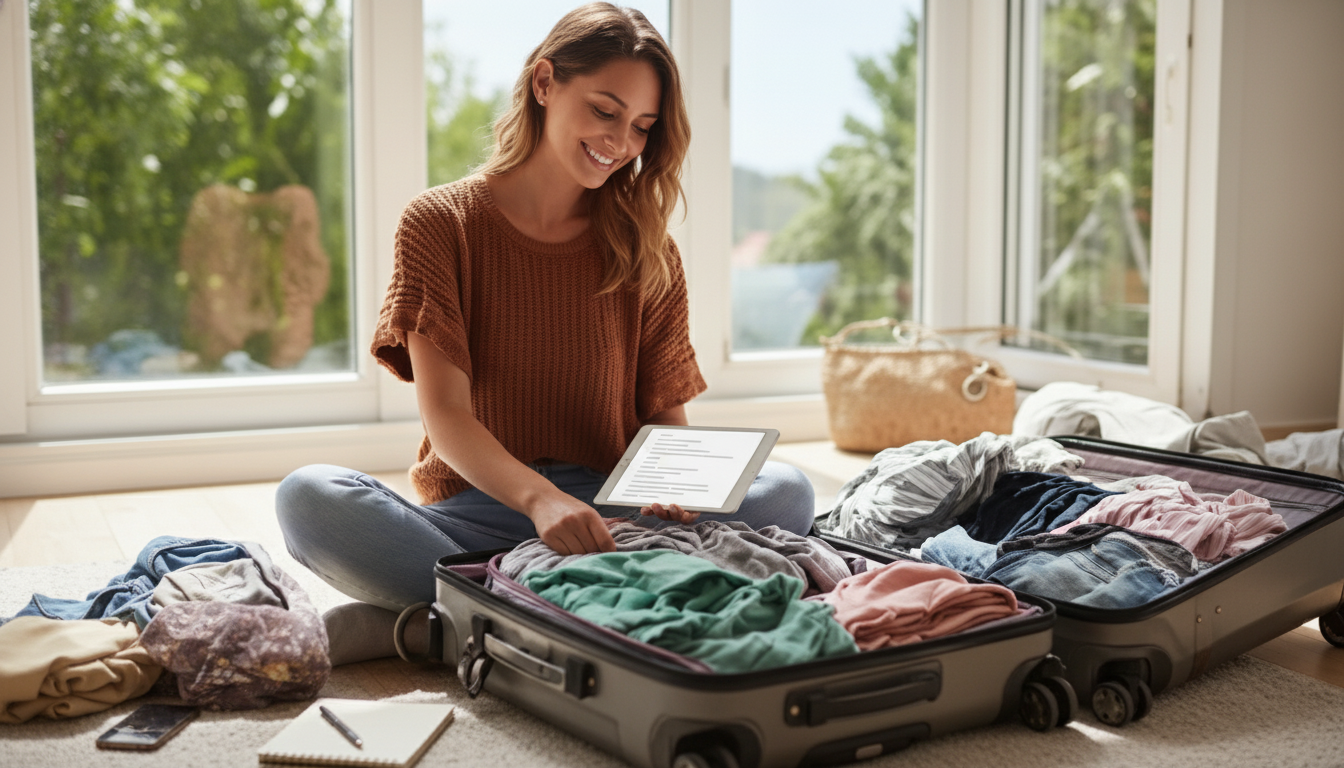
Creating Your AI Packing Shortcut: ChatGPT Packing List Bundle
Packing gets complicated fast when the details change—weather swings, airline limits, special activities, kids’ routines, business dress codes, or medication schedules. A repeatable packing system solves that problem by turning a handful of trip inputs into a clean, organized checklist you can reuse and refine. The result: fewer “Did I forget…?” moments, less overpacking, and a smoother departure day—whether it’s a weekend city break, a work trip, a family vacation, or a longer international itinerary.
What This Bundle Helps Solve
- Reduces last-minute stress by turning trip details into an organized list that’s easy to follow.
- Helps avoid overpacking by matching outfits and gear to the number of days, laundry access, and planned activities.
- Cuts down forgotten essentials with reminders for documents, chargers, toiletries, and health items.
- Creates consistency for frequent travelers by reusing a base list and tweaking it per destination.
What’s Included in the Packing List Bundle
- A structured method for generating packing lists based on trip length, climate, and itinerary.
- Templates that separate items into carry-on vs. checked luggage, plus “must-have” essentials.
- Repeatable categories for clothing, toiletries, tech, documents, health, and trip-specific gear.
- Optional add-ons for special cases such as babies/toddlers, business travel, weddings, hiking, beach trips, and winter destinations.
If you want a ready-to-use system that can be tailored for nearly any itinerary, start with Creating Your AI Packing Shortcut – ChatGPT for Creating a Packing List Bundle.
Quick Setup: The Details to Gather Before Building Your List
- Trip basics: destination(s), total days, season, and typical daily temperature range.
- Travel style: carry-on only vs. checked bag, laundry access, and tolerance for re-wearing outfits.
- Itinerary highlights: work meetings, workouts, swimming, hiking, formal events, theme parks, or cold-weather activities.
- Personal needs: medications, mobility/comfort items, skincare routine complexity, contact lenses, and dietary considerations.
- Device needs: laptop/tablet, camera, power adapters, and any required cables for work or entertainment.
Two quick checks improve accuracy right away: review destination guidance at CDC Travelers’ Health, and verify carry-on restrictions like the TSA liquids 3-1-1 rule before you finalize toiletries.
How to Use the System for Better Packing (Without Overpacking)
1) Start with a “can’t-travel-without” core
Begin with documents/ID, payment, keys, phone, and critical medications. These aren’t optional—keep them together and visible on your list so they never get buried under outfit planning.
2) Build a simple capsule clothing plan
Choose a base color palette, keep shoes limited, and ensure every top matches every bottom. Planning outfits by activity (workday, dinner, gym, beach, cold outdoors) reduces “just in case” duplicates.
3) Separate lists by location
Split your checklist into “leave the house,” “in-transit,” “hotel/Airbnb,” and “day bag.” This prevents mistakes like packing your boarding pass in a checked suitcase or forgetting a day bag item that never needs to be unpacked.
4) Add real-world constraints
Account for airline liquid limits, baggage weight caps, and climate variability. When temperatures vary, prioritize layers over bulky items so the same pieces work across mornings, afternoons, and evenings.
5) Do a 10-minute final pass
Check the updated forecast, confirm reservations, and verify chargers/adapters. This is also the moment to move “must-have” items into your personal item so they’re accessible if you’re delayed.
Sample Packing List Framework by Trip Type
| Trip type | Clothing strategy | Key extras to remember | Common carry-on essentials |
|---|---|---|---|
| Weekend city break (2–3 days) | 1–2 outfits + 1 backup, versatile shoes | Compact umbrella, nicer layer for evenings | Phone charger, ID/passport, meds, earbuds |
| Business trip (3–5 days) | Mix-and-match pieces, wrinkle-resistant items | Work shoes, presentation items, business cards | Laptop, charger, document copies, stain wipe |
| Beach vacation (5–7 days) | Swimwear rotation, light layers | Sun protection, water shoes, after-sun care | Sunglasses, SPF, refillable bottle, book |
| Cold-weather trip (4–7 days) | Layering system, repeatable base layers | Gloves/hat, thermal socks, hand warmers | Lip balm, moisturizer, backup battery |
Packing Smarter for Carry-On Only
For small-item organization that travels well, a compact pouch can keep cables, pens, or toiletries from migrating around your bag. A budget-friendly option is the Large Capacity Y2K Puppy Pencil Case—use it as a catch-all for chargers, earbuds, travel-size items, or “grab-and-go” essentials.
Travel Scenarios the Bundle Adapts To
Privacy and Practical Notes
Getting the Most Value Over Time
If travel prep tends to feel mentally crowded, pairing a packing routine with a simple mindset reset can make departures calmer. The Benefits of Positivity Bundle: Fuel Your Mind, Build a Positive Mindset & More is an optional add-on for travelers who want a steadier pre-trip rhythm.
Bundle Details and Where to Get It
Find the full bundle here: Creating Your AI Packing Shortcut – ChatGPT for Creating a Packing List Bundle.
FAQ
How do packing lists change for carry-on only vs. checked luggage?
Carry-on lists must respect liquid limits, tighter space, and the need to keep essentials accessible, so clothing usually follows a capsule strategy and toiletries are decanted. Checked luggage allows more volume, but it’s still smart to keep medications, documents, and one change of clothes in your carry-on in case of delays.
What details should be provided to generate a more accurate packing list?
Share destination, dates, expected weather range, trip length, planned activities, laundry access, baggage rules, and any personal needs like medications or dress codes. The more specific the itinerary, the easier it is to avoid both overpacking and missing key items.
How can a packing list be reused for future trips without starting over?
Save a base template, then duplicate it into versions by trip type (work, beach, winter, family) for quick edits. After each trip, note what you didn’t use and what you missed, and update your base list so it keeps getting sharper.








Leave a comment