Busy-Week Cleaning Checklist: 3-Part Routine That Works
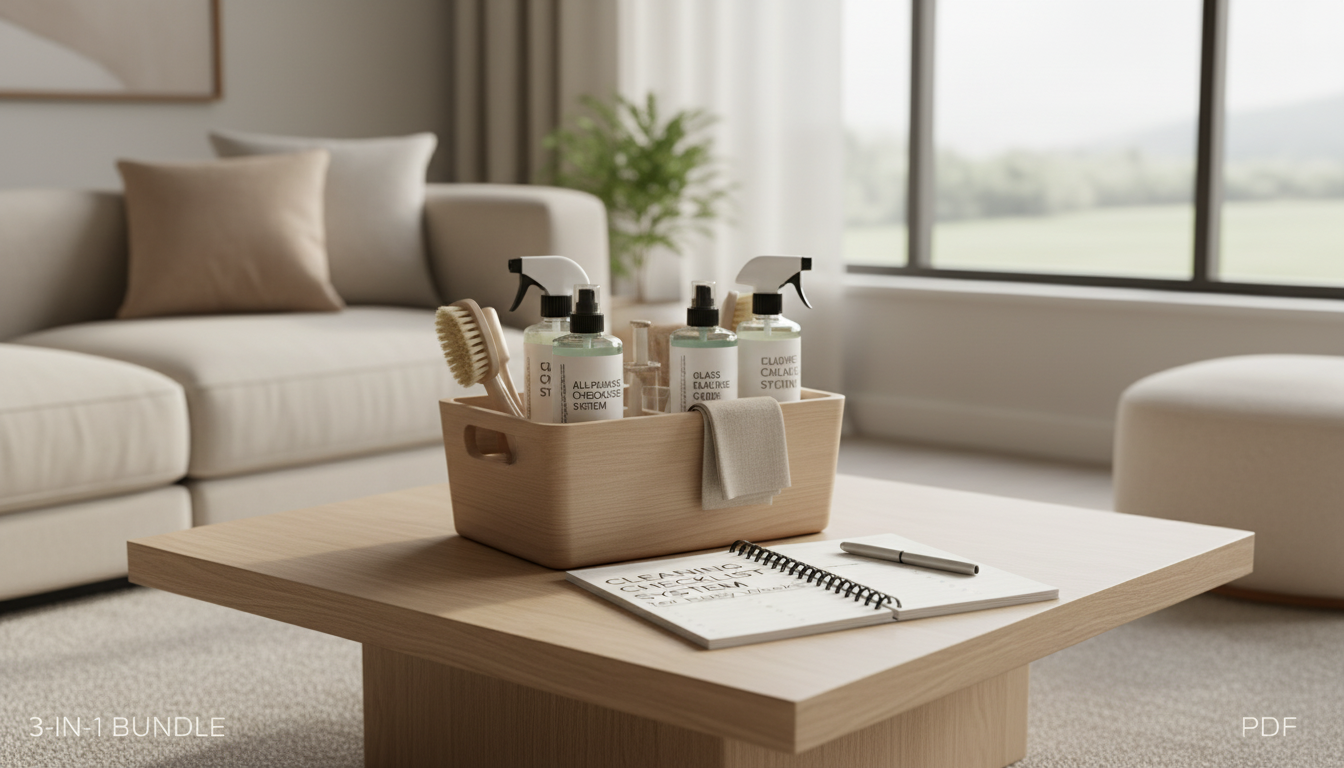
Cleaning Checklist System for Busy Weeks: A Simple 3-Part Routine That Keeps the Whole Home Moving
Busy weeks can turn small messes into stressful piles. A checklist-based system removes the guesswork by turning cleaning into quick, repeatable steps that fit into real schedules. Below is a practical way to run a light daily reset, a focused weekly plan, and a flexible catch-up path—so the home stays functional without spending whole weekends cleaning.
What a “busy-week” cleaning system needs to do
The best busy-week routine isn’t the one with the most tasks—it’s the one that still works when you’re tired, short on time, or coming off a rough day.
- Reduce decisions: predefined tasks prevent time loss from figuring out what to clean next.
- Protect the basics first: dishes, laundry, trash, and bathroom touchpoints keep the home livable.
- Work in short sprints: 10–20 minute blocks beat long, draining sessions.
- Make progress visible: checkboxes and a simple plan lower mental load and encourage consistency.
- Include a catch-up option: the system should still work after missed days without creating guilt.
For health-focused cleaning guidance (especially around high-touch surfaces and safe routines), the CDC’s cleaning and disinfecting recommendations are a helpful reference point.
The 3-part checklist rhythm (daily reset, weekly focus, monthly catch-up)
Think of this as a rhythm rather than a rigid schedule. The daily reset keeps things from sliding, the weekly focus prevents “big clean” buildup, and the monthly catch-up quietly handles what gets skipped.
1) Daily reset (10–15 minutes)
- Clear the most visible surfaces (kitchen counters, coffee table, entry drop-zone).
- Handle dishes and do a sink reset (empty, rinse, quick wipe).
- Quick sweep/vacuum of high-traffic lanes (kitchen path, entryway, hallway).
If you only do one thing, make it the “minimum viable clean”: trash out + sink reset. That combination keeps odors down and makes the next day easier.
2) Weekly focus (2–4 tasks spread out)
Pick one deeper task per day (or every other day) so nothing becomes an all-day project:
- Bathroom: wipe sink/faucet + toilet touchpoints
- Floors: vacuum main rooms, spot-mop kitchen
- Bedding: change sheets, start one laundry load
- Dusting: visible surfaces and screens in living areas
Keep tasks small and specific. “Wipe bathroom sink and faucet” is easier to start than “clean bathroom.” A quick start is the real win on a packed week.
3) Monthly catch-up (choose 3–6 tasks)
- Fridge wipe-down (shelves and handles)
- Baseboards in the main hallway
- Windowsills and sliding door tracks
- Vents and fans (quick dust pass)
- Restock essentials (tabs, bags, soap)
For safer product selection, especially if you’re trying to reduce harsh chemicals, the EPA Safer Choice program is a useful starting point.
Busy-Week Checklist Map (example schedule)
| Time available | Do this first | If there’s time | End-of-week payoff |
|---|---|---|---|
| 5 minutes | Trash + quick tidy of counters | Start a laundry load | Prevents clutter hotspots from spreading |
| 10 minutes | Dishes + sink reset | Wipe stove/microwave front | Kitchen stays usable for quick meals |
| 15 minutes | Bathroom wipe (sink + toilet seat) | Mirror + quick floor pass | Bathrooms stop feeling “behind” |
| 20 minutes | Vacuum/sweep main path | Spot-mop kitchen | Floors look better with minimal effort |
| 30 minutes | Bedding change | Dust visible surfaces | Better sleep + fewer allergy triggers |
Room-by-room priorities that keep the home feeling under control
When time is tight, “perfectly clean” isn’t the goal—functional is. These priorities create the biggest visual and practical payoff.
- Kitchen: dishes, counters, trash, and the sink. A clear sink makes the whole room feel reset.
- Bathrooms: toilet touchpoints, sink/faucet, and towels. A 5-minute wipe prevents “big clean” dread.
- Entryway: shoes, bags, and a quick sweep. Containing drop-zones reduces clutter across the home.
- Living areas: one bin for out-of-place items + quick surface clear. Return the bin later when time allows.
- Bedrooms: laundry basket emptied or at least sorted; clear nightstand space for a calmer feel.
A simple setup: supplies, labels, and where they live
If you want a few extra practical ideas for keeping cleaning manageable, the Mayo Clinic’s housecleaning tips align well with the “little-and-often” approach.
How to handle missed days without blowing up the week
Using a ready-made 3-in-1 bundle to streamline busy weeks
Cleaning Checklist System for Busy Weeks – 3 in 1 Bundle for Easy Home Organization includes a ready-to-follow structure for the daily/weekly/catch-up rhythm, making it easier to start without building a plan from scratch.
For weeks when the mental load is the bigger challenge, pairing routines with a mindset tool can help you stay consistent without turning the home into a constant project. Benefits of Positivity Bundle: Fuel Your Mind, Build a Positive Mindset & More can complement a checklist approach by supporting motivation and follow-through.
Small habits that make the checklist easier to keep
FAQ
How much time does a busy-week cleaning checklist take each day?
Most days, plan on 5–20 minutes depending on whether you’re doing the daily reset only or adding a small weekly-focus task. If you’re slammed, a minimum 5-minute version (trash out + sink reset + quick counter clear) still prevents buildup.
What should be on a cleaning checklist when time is extremely limited?
Prioritize trash, dishes/sink, bathroom touchpoints (toilet seat/handle and sink faucet), and one quick pass on the main floor path. A simple triage method—health/safety, function, then appearance—helps you choose the highest-impact tasks fast.
How can a checklist help with home organization, not just cleaning?
A checklist builds daily reset habits that keep clutter from settling, and it supports zone-based routines so items return to consistent “homes.” Labeled bins and a monthly catch-up list also prevent paper piles, donation bags, and forgotten corners from turning into bigger reorganizing projects.












Leave a comment