Toddler Water Tips: Simple Tricks That Actually Work
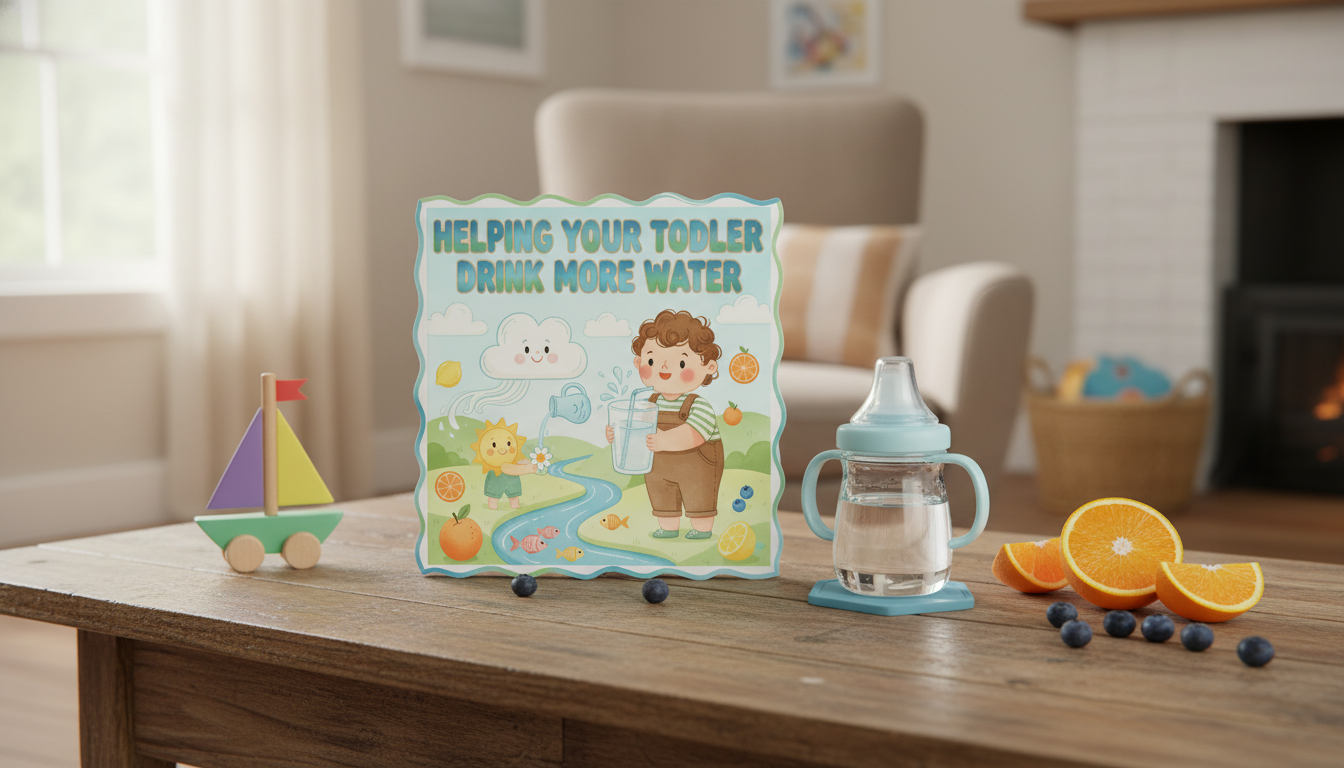
Helping Your Toddler Drink More Water (Without the Struggle)
Toddlers often resist water for reasons that have nothing to do with “being difficult”—they’re busy playing, testing independence, and easily distracted by stronger flavors. With a few small changes to routine, tools, and expectations, water can become the easy default rather than a daily tug-of-war.
Why toddlers push back on water
If water feels like a chore, it usually comes down to a predictable toddler “why,” not stubbornness.
- Distracted play: thirst cues get ignored until a toddler is already cranky or tired.
- Control and autonomy: refusing a cup can be a quick way to feel in charge.
- Taste preference: milk, juice, and flavored drinks set a higher “sweetness baseline.”
- Cup or bottle frustration: flow rate, lid style, temperature, or unfamiliar texture can cause refusal.
- Constipation or illness: discomfort can reduce overall drinking and appetite.
If you’re seeing patterns (only refusing at daycare, only rejecting cold water, only drinking from one cup), that’s useful information—because the fix is often a tiny adjustment, not more pressure.
How much water is enough (and what counts)
Instead of focusing on a perfect number, use day-to-day cues to guide you. For toddler drink guidance and beverage limits, resources from HealthyChildren.org (American Academy of Pediatrics) and the CDC can help you keep expectations realistic.
- Use diapers/urine as a reality check: pale-yellow urine and regular wet diapers/pee breaks are reassuring signs.
- Remember “water from food”: soups, fruit (melon, oranges), yogurt, and veggies contribute to hydration.
- Balance with milk: milk can be part of intake, but relying on it all day may crowd out water practice.
- Limit sugary drinks: routine juice or sweet drinks can make plain water harder to accept.
Simple hydration cues to watch
| What you notice | What it can mean | What to do next |
|---|---|---|
| Dry lips or sticky mouth | More fluids may be needed | Offer small sips more often; add water breaks to play |
| Dark yellow urine | Concentrated urine | Increase water access; choose water with snacks |
| Fewer pees than usual | Lower intake or higher losses (heat/activity) | Offer water regularly; consider a pediatrician call if persistent |
| Very sleepy, dizzy, or no tears when crying | Possible dehydration | Seek medical advice promptly |
If you’re worried about dehydration—especially with vomiting, diarrhea, fever, or very low urination—review red flags and when to seek care via the Mayo Clinic’s dehydration guidance.
Make water the easy default: environment tweaks that work
Toddlers drink what’s easy. The goal is to remove friction so water happens “in the background” of the day.
- Keep water visible and reachable: a spill-resistant cup on the play table is often more effective than reminders.
- Offer water at predictable “anchor moments”: after waking, after outdoor play, with each snack, and after bath.
- Use tiny portions: 2–4 sips at a time feels manageable and reduces pressure.
- Serve it the way your toddler prefers: cool, room temp, or with ice chips (if safe for the child).
- Create a “water station” at home: a low shelf with a cup and a small pitcher (supervised) can build independence.
A helpful mindset shift: you’re not “getting them to drink.” You’re building a setup where drinking is the easiest option.
Turn drinking into a game (without making it a battle)
Play works best when it keeps your toddler in control. You’re offering a fun cue, not a demand.
- Try a “sip and go” routine: one sip before leaving the room, then immediate return to play.
- Use playful prompts: “Can your tummy take three tiny gulps?” instead of “Drink your water now.”
- Celebrate actions, not ounces: praise the attempt (“Nice sipping!”) rather than pushing for a finish.
- Model it: take a sip together during transitions—toddlers copy what looks normal.
- Avoid power struggles: if refusal starts, pause and try again later with less attention.
Flavor and variety—when it helps and when it backfires
Flavor can be a bridge, but it’s easy for “special water” to become the new requirement. Keep changes gentle and temporary.
- Use gentle upgrades when needed: a squeeze of citrus or a few cucumber slices can make water more interesting.
- Keep it subtle: the goal is to make plain water acceptable, not to replace it with “special drinks.”
- Use a “fade out” approach: start with lightly flavored water and gradually reduce the flavor over days.
- Offer crunchy water-rich foods alongside: berries, watermelon, cucumbers, and soups support hydration without negotiating sips.
- Skip frequent sweeteners: regular sweet flavors can increase resistance to plain water.
Troubleshooting common sticking points
A gentle 7-day reset plan
Helpful resources (shop)
- Helping Your Toddler Drink More Water (Without the Struggle) | A Parent’s Guide on How to Get Toddler to Drink More Water
- The Ultimate Potato Pack for Cozy Dinners – 10-in-1 Digital Recipe Bundle with Different Potato Recipes, Comfort Food Guides & Cheesy Classics (hydration-friendly ideas like soups and brothy meals can support fluid intake through food)
FAQ
What if my toddler refuses water but asks for juice or milk?
Keep milk at predictable times, offer water first at snacks and play breaks, and keep juice occasional and small. Offer water calmly, don’t negotiate, and re-offer later with minimal attention if they refuse.
How can I tell if my toddler is dehydrated?
Check urine color and frequency, watch energy level, and notice mouth dryness and whether they make tears when crying. If you see very low urination, unusual lethargy, or ongoing vomiting/diarrhea, contact a clinician promptly.
Is flavored water okay for toddlers?
Lightly infused water (like a hint of citrus or cucumber) can help in the short term if plain water is a hard no. Keep it mild, avoid added sugars, and gradually reduce the flavor so plain water becomes normal again.









Leave a comment