Handled Silicone Baby Cup for Easy Open-Cup Practice
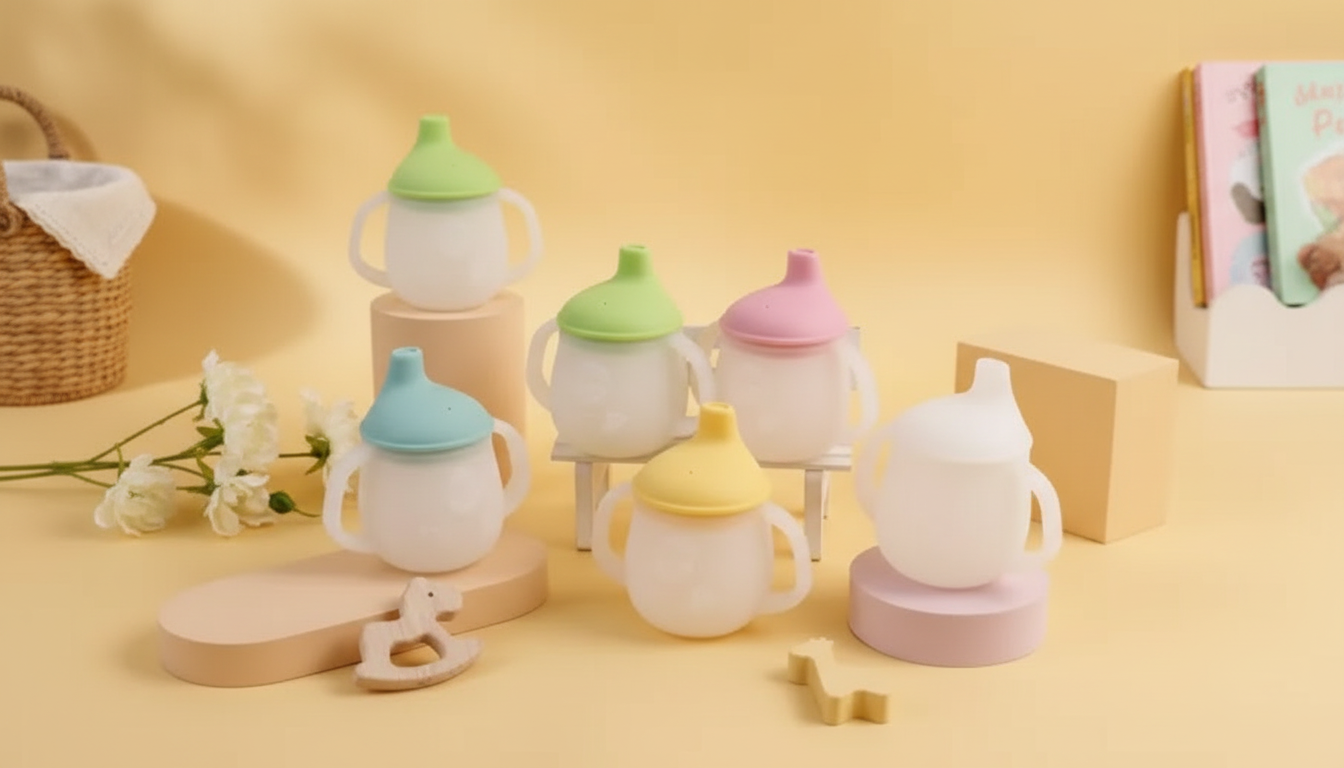
Portable Silicone Baby Cup with Handles: A Simple Step Toward Confident Sipping
A handled silicone cup can make the shift from bottle to open-cup drinking feel less messy and more manageable. The right cup supports tiny hands, encourages slower, more controlled sips, and stays comfortable during inevitable bumps on the highchair tray. Below are practical things to look for, how to use a handled cup day to day, and simple care tips so it becomes an easy part of mealtimes at home or on the go. For more guidance, see Silicone Spout Sippy Cup.
Why a Handled Silicone Cup Helps Early Drinking Skills
Open-cup practice is a skill, not a switch. A small silicone cup with two handles can reduce frustration so babies can focus on coordination instead of wrestling with slippery sides. For further reading, see Non-Toxic Sippy Cup & Water Bottle Guide – Gimme the Good Stuff.
- Two handles support a stable grip, especially for small hands still building coordination and strength.
- Open-cup practice encourages controlled sipping rather than continuous sucking, which can help babies learn how to pause and swallow.
- Soft silicone is gentler on gums and teeth compared with rigid cups when the rim bumps the mouth during learning.
- Lightweight designs are easier to lift and tilt, which can help babies feel successful sooner.
If you’re adding a simple practice cup to your routine, the Portable Silicone Baby Cup with Handles is an easy, no-fuss option to keep at the table or toss in a diaper bag.
What Makes a Cup Truly Portable
Portability isn’t just about being small. A travel-friendly baby cup should be easy to pack, simple to rinse, and tough enough for real life—quick temperature changes, hurried cleanups, and frequent drops.
- Compact, bag-friendly size that fits in diaper bags and stroller organizers and doesn’t tip over too easily.
- Material that tolerates temperature changes (cold water, warm milk, quick rinses with hot water).
- Easy-to-clean surfaces so it can be washed quickly during travel days or between meals.
- A caregiver-friendly shape that’s comfortable to hold and pass during feeding on the move.
For families working on routines outside the home, it can also help to keep a few everyday essentials packed and ready. A simple organizer item like the Large Capacity Y2K Puppy Pencil Case can double as a small “meal kit” pouch for wipes, a bib, and a spare cup.
Key Features to Check Before Buying
Not all silicone cups are the same. A few small design details can make the difference between “used daily” and “forgotten in the cabinet.”
- Food-grade silicone with clear labeling that it’s intended for food contact use.
- Rounded, smooth rim for comfortable sipping and reduced dribbles while learning.
- Handle spacing that fits small fingers (not too narrow, not too wide).
- Base stability; a wider bottom helps reduce tipping on highchair trays.
- Odor and stain resistance, especially if you’ll use milk, smoothies, or puree-thinned drinks.
- Heat tolerance and dishwasher safety if that matters for your cleaning routine.
| Feature | Why it matters | Quick test at home |
|---|---|---|
| Soft, food-grade silicone | Gentle on gums and designed for food contact | Pinch and release: should spring back without cracking |
| Two easy-grip handles | Helps baby control lift and tilt | Baby can wrap fingers without slipping when hands are damp |
| Stable base | Reduces tipping and splashing | Set on a flat surface and tap the side lightly |
| Smooth rim | More comfortable sipping and fewer dribbles | Run a finger around the rim to check for seams or sharp edges |
| Easy cleaning | Less residue buildup; better hygiene | Rinse and check corners for trapped film after a quick wash |
How to Introduce an Open Cup (Without Turning Meals Into a Flood)
Spills are part of the learning curve, but you can keep practice low-stress and manageable by controlling the setup.
For general guidance on timing and the transition away from bottles, the American Academy of Pediatrics offers a helpful overview: Transitioning from Bottle to Cup.
Cleaning, Drying, and Odor Prevention
If you’re building a broader feeding routine, the CDC’s infant and toddler nutrition guidance can be a useful reference point for drink choices and mealtime habits: Infant and Toddler Nutrition.
Safety Notes and Everyday Use Tips
For families who like keeping life simple, a small, affordable cup you don’t mind replacing is often the easiest path to consistent practice. Keeping one cup at home and another in the diaper bag can reduce “forgot it on the counter” moments—especially with a practical everyday option like the Portable Silicone Baby Cup with Handles.
A Budget-Friendly Option for Daily Practice
If mealtimes feel hectic, simplifying other routines can help too—whether that’s quick caregiver-friendly meals from a digital recipe set like The Ultimate Potato Pack for Cozy Dinners or having a predictable “feeding kit” ready to grab and go.
FAQ
What age is a handled silicone cup best for?
Many babies can begin supervised open-cup practice around 6 months when they can sit upright with support, but readiness varies. Start with small amounts and stay close to guide pacing and prevent choking or coughing.
Can silicone cups go in the dishwasher or be used with warm drinks?
Many silicone cups are heat tolerant and may be dishwasher safe, but it depends on the specific product and its care instructions. If temperature limits aren’t clearly stated, stick to mild warmth and avoid extremes.
How can odors be removed from a silicone baby cup?
Wash promptly after milk, rinse thoroughly, and let the cup dry completely before storing. For lingering smells, soak in warm water with baking soda, then rinse and air-dry; avoid harsh chemicals that can leave residue.









Leave a comment