Korean Indoor Hot Pot + BBQ Grill: Smokeless Electric Pan
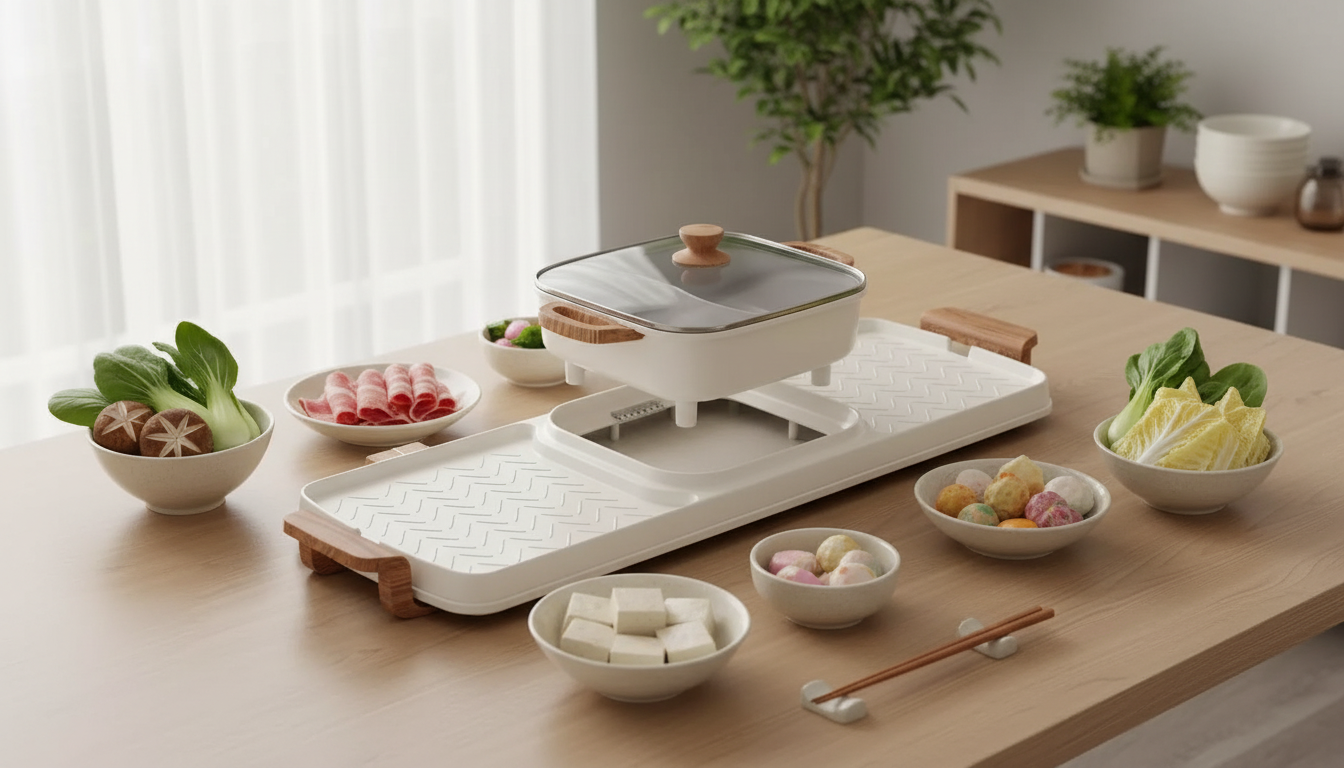
Multi-Functional Indoor Korean Hot Pot and Barbecue Grill – Electric Smokeless Cooking Pan
Bring the energy of a Korean-style tabletop meal home with a single appliance that grills and simmers at the same time. A multi-functional indoor hot pot and barbecue grill makes it easy to cook sliced meats, seafood, and vegetables on the grill while a flavorful broth bubbles beside it—ideal for family dinners, date nights, and small gatherings without hauling out multiple pans.
What This Cooking Pan Does (Grill + Hot Pot in One)
This style of tabletop cooker is built around a dual-zone layout: one side is a grill plate for quick searing, and the other holds broth for hot pot ingredients. That means you can build a classic Korean-inspired spread—grilled bites for dipping and wrapping, plus a warm pot for noodles, greens, tofu, and dumplings—without bouncing between the stove and multiple skillets.
- Dual-zone cooking supports the grill-and-simmer flow that makes Korean tabletop meals so interactive.
- Electric heat keeps everything consolidated right on the table for indoor use.
- “Smokeless-style” designs typically aim to reduce smoke by managing grease and heat distribution; real-world results vary by ingredients, temperature, and ventilation.
- Great for quick-cooking cuts (thin beef, pork belly slices, shrimp) plus hot pot staples (mushrooms, tofu, dumplings, greens).
Best Foods to Cook for a Korean Tabletop Night
The most satisfying spreads mix fast-searing proteins with a variety of textures for the broth. Think “a little bit of everything,” but keep prep simple: thin slices, bite-size pieces, and a few sauces or ssam (wrap) components.
- Grill favorites: bulgogi-style beef, pork belly slices, marinated chicken, squid, shrimp, sliced mushrooms, zucchini, onions, and kimchi (use moderate heat to prevent burning).
- Hot pot essentials: napa cabbage, bok choy, enoki mushrooms, tofu, fish balls, udon, ramen, dumplings, and thinly sliced meats.
- Broth ideas: a simple kombu/anchovy base, spicy gochujang-style broth, mushroom broth, or quick bone broth with garlic and scallions.
- Cook sequence tip: start the broth first; grill lean items early, then fattier meats later to minimize splatter.
If you like having a comforting “side plan” for weeknights, pair your tabletop meal with cozy add-ons (like roasted or smashed potatoes) using The Ultimate Potato Pack for Cozy Dinners – 10-in-1 Digital Recipe Bundle with Different Potato Recipes, Comfort Food Guides & Cheesy Classics.
How to Set Up for Cleaner Indoor Cooking
Indoor grilling is all about controlling heat, grease, and airflow. A few small setup habits can make the meal feel effortless—and help keep lingering odors to a minimum.
- Set the unit on a heat-resistant mat and keep a clear “tool zone” for plates, tongs, chopsticks, and a drip bowl for cooked items.
- Ventilation matters: crack a window, run your kitchen hood, or use a small fan aimed toward a window. For general guidance on indoor air, see the EPA’s introduction to Indoor Air Quality (IAQ).
- Use higher smoke-point oils (like avocado or refined canola) and avoid overheating sugary marinades, which brown and smoke quickly.
- Cut ingredients into uniform sizes so everything cooks fast—short cook times usually mean less smoke and less sticking.
Temperature and Timing Guide (Fast Wins at the Table)
- Preheat briefly, then adjust: high heat is best for a quick sear, while medium heat helps prevent burning sugary marinades.
- Thin meats often cook in 1–3 minutes per side; shrimp turns opaque quickly; vegetables vary by thickness.
- For hot pot, keep broth at a steady simmer (not a rolling boil) to reduce splashing and keep flavors balanced.
- Food safety basics: keep raw and cooked utensils separate, and don’t return cooked food to raw-meat plates. For minimum safe internal temperatures, reference the USDA FSIS safe temperature chart.
Simple tabletop cooking guide
| Item | Where to cook | Typical approach | Notes |
|---|---|---|---|
| Thin-sliced beef/pork | Grill | Quick sear, flip once | Avoid overcrowding to keep heat steady |
| Marinated meats | Grill | Medium heat, watch closely | Sugar-based marinades brown fast |
| Mushrooms/veg | Grill or hot pot | Grill for browning; hot pot for tenderness | Oil lightly on grill; stir in broth |
| Dumplings/noodles | Hot pot | Simmer until cooked through | Add in batches to prevent clumping |
| Seafood | Grill or hot pot | Cook just until opaque | Overcooking leads to toughness |
Cleaning and Care for Nonstick Surfaces
Who This Is Great For (and When to Consider Another Option)
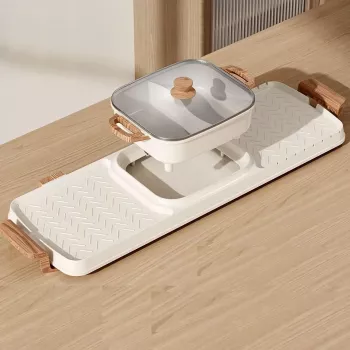
Product Spotlight: Multi-Functional Indoor Korean Hot Pot and Barbecue Grill – Electric Smokeless Cooking Pan
For a simple way to bring Korean-style tabletop cooking home, the Multi-Functional Indoor Korean Hot Pot and Barbecue Grill – Electric Smokeless Cooking Pan is designed to support both grilling and hot pot cooking in one centerpiece appliance. It’s a practical pick for building a weeknight routine (quick grill + broth) and a fun option for hosting when everyone wants to cook and snack together at the table.
FAQ
Is an indoor Korean hot pot and barbecue grill truly smokeless?
“Smokeless” usually means reduced smoke thanks to design choices that manage grease and heat, not a guarantee of zero smoke. The amount of smoke you see depends on temperature, fat content, sugary marinades, and ventilation—cracking a window and avoiding overheating help a lot.
What’s the best way to keep food from sticking on the grill plate?
Preheat the plate, then use a light coat of suitable oil and let food sear before trying to move it. Keep sugary marinades at medium heat, and clean residue thoroughly after cooking so old buildup doesn’t cause sticking next time.
Can hot pot broth and grilled foods be cooked at the same time without mixing flavors?
Yes—these units separate the grill and broth zones so you can cook both at once. Use a broth that complements grilled foods, keep drips controlled, and use separate utensils for broth ingredients to keep flavors clean.









Leave a comment