Door & Window Alarm Locks for Kids: Home + Hotel Safety
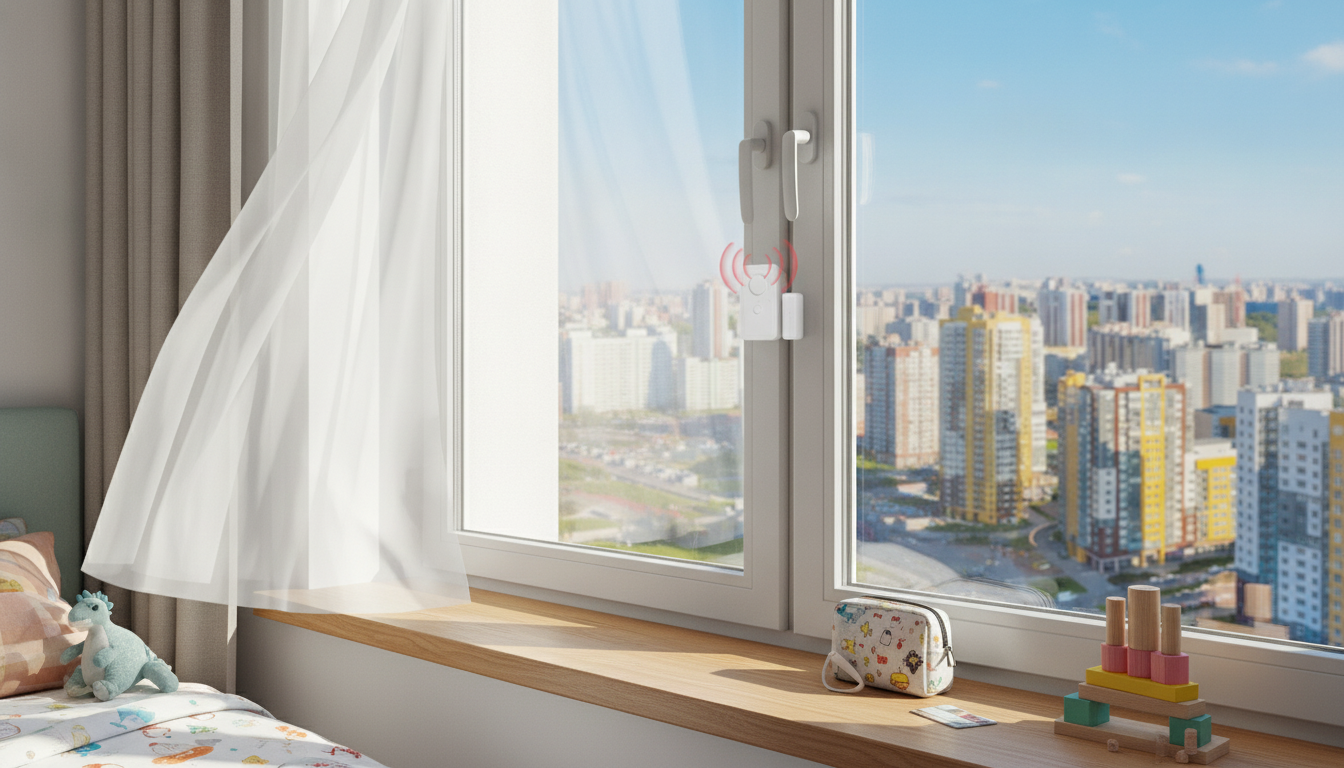
Why a Door & Window Alarm Lock Matters for Kids and Travel
A door or window that opens unexpectedly can turn into a fast-moving safety risk—especially with curious toddlers, nap-time wanderers, or unfamiliar hotel rooms. A compact alarm lock adds a simple layer of protection by helping restrict access and alerting adults when a door or window is opened. Used thoughtfully, it can reduce “silent moments” where a child slips out of a room, pushes a balcony door, or tests an easy-to-reach window latch.
Child-safety devices work best when they support good routines: active supervision, consistent bedtime practices, and a quick check of exit points before quiet times. For broader home safety guidance, the American Academy of Pediatrics’ home safety tips are a helpful reference point.
What This Alarm Lock Helps Prevent
- Unsupervised exits through front doors, balcony doors, patio sliders, and accessible windows
- Silent nighttime wandering and quick door openings during busy routines
- Unexpected entry in temporary stays such as hotels or rentals when additional reassurance is needed
- Accidental openings during naps, playtime, or when caregivers are distracted
Key Features to Look For in a Child-Safety Alarm Lock
Not all alarm locks feel the same in daily life. The right option should be reliable enough to use every day, simple enough that adults keep using it, and loud enough to matter when it counts.
- Secure locking mechanism that resists small hands and casual tampering
- Audible alarm that triggers when the protected door/window is opened
- Simple arming/disarming so adults can use it consistently
- Compact profile that fits common doors, frames, and many window types
- Reliable adhesion or mounting suited to smooth, clean surfaces
- Clear placement guidance so the sensor aligns correctly (misalignment is a common issue)
For window-specific risks, including fall prevention, the U.S. Consumer Product Safety Commission’s window safety information is worth reviewing—especially for homes with low sills, climbable furniture nearby, or upper-floor windows.
Home vs. Hotel Use: Practical Placement Ideas
At home, placement is about consistency and coverage. In hotels or rentals, placement is about quick setup, reassurance in an unfamiliar layout, and not interfering with emergency exit.
Smart placement around the home
- Home entry doors: position higher than a child can reach while keeping adult access convenient
- Sliding doors: place where the opening movement will reliably trigger the alarm
- Windows: use on frequently opened windows or any window within a child’s reach
Simple travel placement in hotels and rentals
- Hotel rooms: prioritize the main door and any balcony door; test the trigger before settling in
- Temporary stays: clean the mounting surface first and re-check alignment after temperature changes
Quick Placement Checklist
| Location | Best placement goal | Notes |
|---|---|---|
| Front / main door | High placement, easy adult reach | Test alarm volume from sleeping areas |
| Sliding patio/balcony door | Trigger on first inch of movement | Ensure sensor alignment isn’t blocked by trim |
| Accessible window | Trigger on opening while allowing ventilation when supervised | Re-check after cleaning or seasonal expansion |
| Hotel room entry | Extra alert during sleep | Confirm it doesn’t interfere with emergency exit |
| Nursery / child’s room door | Prevent quiet roaming | Pair with consistent bedtime routine and monitoring |
Setup and Daily Use Tips
Most frustrations with alarm locks come down to surface prep and alignment. A few minutes of careful setup usually pays off in fewer false alarms and more reliable triggers.
- Clean and dry the surface before mounting to improve adhesion and reduce false triggers
- Align the alarm and magnet/sensor carefully; misalignment is a common cause of unreliable triggering
- Test the alarm immediately after installation and again after 24 hours
- Create an adult-only habit: arm at bedtime and during busy household moments; disarm for normal traffic
- Place out of reach to reduce tampering, but keep accessible for adults in an emergency
- If using in a hotel, test on arrival and avoid mounting where it could damage surfaces or violate property rules
Layered Safety: Pairing Devices With Good Habits
An alarm lock is most effective when it supports an already-safe environment. Think of it as a “backup” that adds time and awareness—two things that matter a lot with toddlers.
It also helps to have a simple family plan for nighttime or emergencies. The NFPA escape planning guidance is a practical reminder to keep exits usable and decisions easy under stress.
Common Issues and Quick Fixes
Product Option
If you want a compact add-on designed for both everyday routines and travel setups, consider the Children Safety Door & Window Alarm Lock for Home and Hotel Protection. It’s designed to help deter wandering and alert adults when a door or window opens.
More in-stock picks
- Large Capacity Y2K Puppy Pencil Case (a handy organizer for kids’ travel essentials like earplugs, bandages, or small chargers)
- Benefits of Positivity Bundle: Fuel Your Mind, Build a Positive Mindset & More (a digital bundle for adults who want extra support with routines and mindset)
FAQ
Will an alarm lock work on both doors and windows?
It can, as long as the opening style allows the sensor and magnet to line up correctly on a clean, smooth surface. Many models work well on standard doors, sliders, and common window types when alignment is maintained.
Is it safe to use this in a hotel room?
It can add reassurance, especially overnight, but it should not block emergency egress or delay an adult’s exit. Test the trigger on arrival and place it where it won’t damage surfaces or violate property rules.
How can false alarms be reduced?
Careful alignment is the biggest factor—make sure the sensor gap is within range and the pieces sit flat. Cleaning the mounting area and choosing a spot with minimal shifting or vibration also helps.











Leave a comment