Minimalist Beauty Bundle: 4 Digital Guides for a Capsule Kit
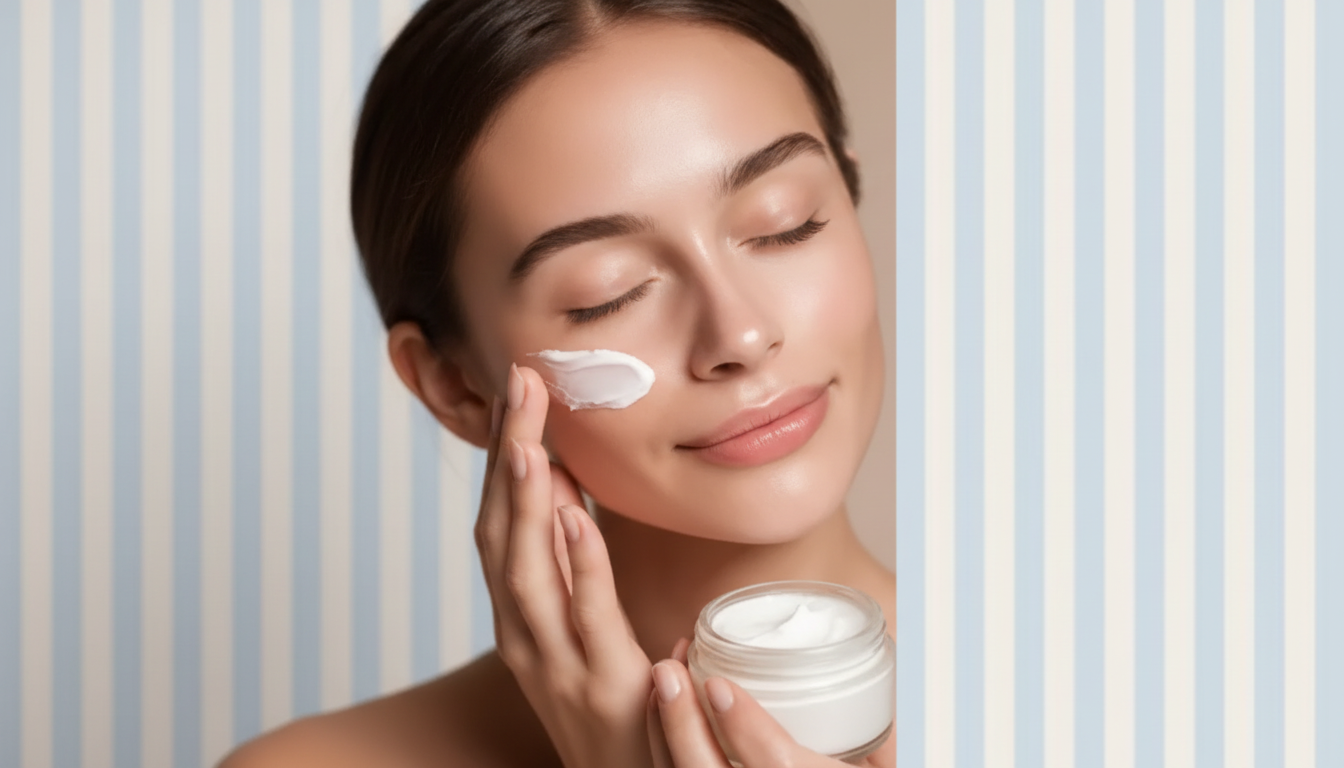
Minimalist Beauty Trends Bundle: 4 Digital Guides & Checklists for a Capsule Routine
Minimalist beauty is less about doing nothing and more about choosing what actually earns a place in the routine. A well-designed set of guides and checklists can simplify decisions, reduce product overload, and keep results consistent—whether the goal is a streamlined everyday face, a calmer skincare plan, or a more intentional approach to trends.
What “minimalist beauty” looks like right now
Minimalist beauty has shifted from “own fewer things” to “use fewer steps that work better.” The current wave focuses on skin-first finishes, multi-use products, and routines that stay repeatable even when life gets busy.
- Skin-first base: lighter coverage, strategic concealing, and a finish that looks like skin rather than a mask
- Multi-use essentials: one product doing double duty (tint as blush, balm as highlight, brow gel that also tames flyaways)
- Intentional color: a small, repeatable palette that fits most outfits and occasions
- Routine clarity: fewer steps, better order, and consistent tracking (what helps, what irritates, what is unnecessary)
- Sustainable habits: using what is owned, finishing products, and buying replacements only when needed
Minimalist shifts: from “more” to “enough”
| Area | Overloaded approach | Minimalist approach | How a checklist helps |
|---|---|---|---|
| Base makeup | Multiple foundations + primers for every scenario | One adaptable base + spot concealer | Prompts to test coverage, wear time, and skin compatibility |
| Skincare | Long routines with overlapping actives | Core cleanser + moisturizer + sunscreen, add-ons only if needed | Tracks reactions and prevents doubling similar ingredients |
| Purchasing | Trend-driven impulse buys | Capsule kit with planned replacements | Inventory and “need vs want” gates before checkout |
| Application | Many brushes and tools | A few reliable tools and fingers where appropriate | Simple steps to standardize results and save time |
Who benefits most from digital beauty guides and checklists
Minimalism gets easier when decisions are pre-made. Digital guides and checklists are especially useful for routines that need consistency, troubleshooting, or quick maintenance.
- Beginners who want a clear starting point without collecting dozens of products first
- Busy schedules that need a repeatable everyday routine in 5–10 minutes
- Sensitive or reactive skin that does better with fewer variables to troubleshoot
- Anyone tired of clutter and “almost-empty” products scattered across drawers
- Travelers who want a small kit that still covers work, errands, and events
For skincare fundamentals, it helps to anchor decisions in trusted basics like gentle cleansing and consistent sun protection. The American Academy of Dermatology’s overview of skin care basics is a useful reference point, and the FDA’s guidance on how sunscreen helps protect skin reinforces why SPF belongs in even the most minimal routine.
Minimalist Beauty Trends Bundle: what’s included and how it fits together
The Minimalist Beauty Trends Bundle | 4-in-1 Digital Guides & Checklists is built like a capsule system: fewer products, clearer steps, and simple rules that prevent clutter from creeping back in.
- Four coordinated digital resources designed to reduce decision fatigue and make routines easier to repeat
- Guides that translate current minimalist trends into practical steps (what to keep, what to skip, and what to rotate seasonally)
- Checklists that support consistency: setup, weekly maintenance, and replacement planning
- Works as a “capsule beauty” system—fewer products, clearer steps, and a plan to avoid re-accumulating clutter
- Product page for details and access: https://bambinodepot.shop/minimalist-beauty-trends-bundle-4-in-1-digital-guides-checklists/
A simple way to use the bundle (7-day reset)
A reset works best when it’s short, specific, and measurable. This 7-day structure helps turn “minimalist beauty” into a routine you can actually keep.
- Day 1: Inventory sweep—group products by category, toss expired items, and isolate anything that irritates skin
- Day 2: Choose a “core kit”—daily base, one cheek color, one lip option, brow/mascara, and SPF
- Day 3: Define a default look—create a step order that can be repeated without thinking
- Day 4: Build a second look—small variation for evenings (deeper lip, liner, or extra blush) without adding many new items
- Day 5: Skincare streamline—remove overlaps, prioritize barrier support, and schedule actives intentionally
- Day 6: Tool minimalism—keep only a few tools that are easy to clean and genuinely improve results
- Day 7: Refill and replacement plan—set rules for repurchasing and a short wish list with a waiting period
If you need a practical reference for gentle cleansing technique, the NHS guide on how to wash your face pairs well with a simplified skincare lineup.
What to look for when curating a minimalist beauty kit
A minimalist kit isn’t defined by a number. It’s defined by how reliably it performs—and how easily it fits into real mornings.
Pairing ideas: add-ons that support the same “less but better” mindset
- Benefits of Positivity Bundle: Fuel Your Mind, Build a Positive Mindset & More (helpful if consistency is the hardest part)
- Large Capacity Y2K Puppy Pencil Case (an easy way to corral small tools, minis, or on-the-go essentials)
- The Ultimate Potato Pack for Cozy Dinners – 10-in-1 Digital Recipe Bundle (batch-cooking support when simplifying meals is part of the reset)
Common mistakes that quietly break minimalist routines
FAQ
Is a minimalist beauty routine good for beginners?
Yes—fewer products and a repeatable order reduce confusion and help build skill faster. Start with what supports skin comfort and everyday wear, then add items only when they solve a real, specific need.
How many products are usually in a minimalist makeup kit?
A practical range is about 6–12 items, depending on lifestyle and how often makeup is worn. A common set includes an adaptable base, spot concealer, a cheek/lip multi-use product, brow product, mascara, one setting option, and SPF.
Do digital checklists actually help keep routines consistent?
They reduce decision fatigue by turning routine choices into simple prompts you can repeat. Checklists also make it easier to track reactions, monitor empties, and maintain a capsule kit without slowly re-accumulating clutter.











Leave a comment