Preventing Colds in Kids: Daily Habits That Work
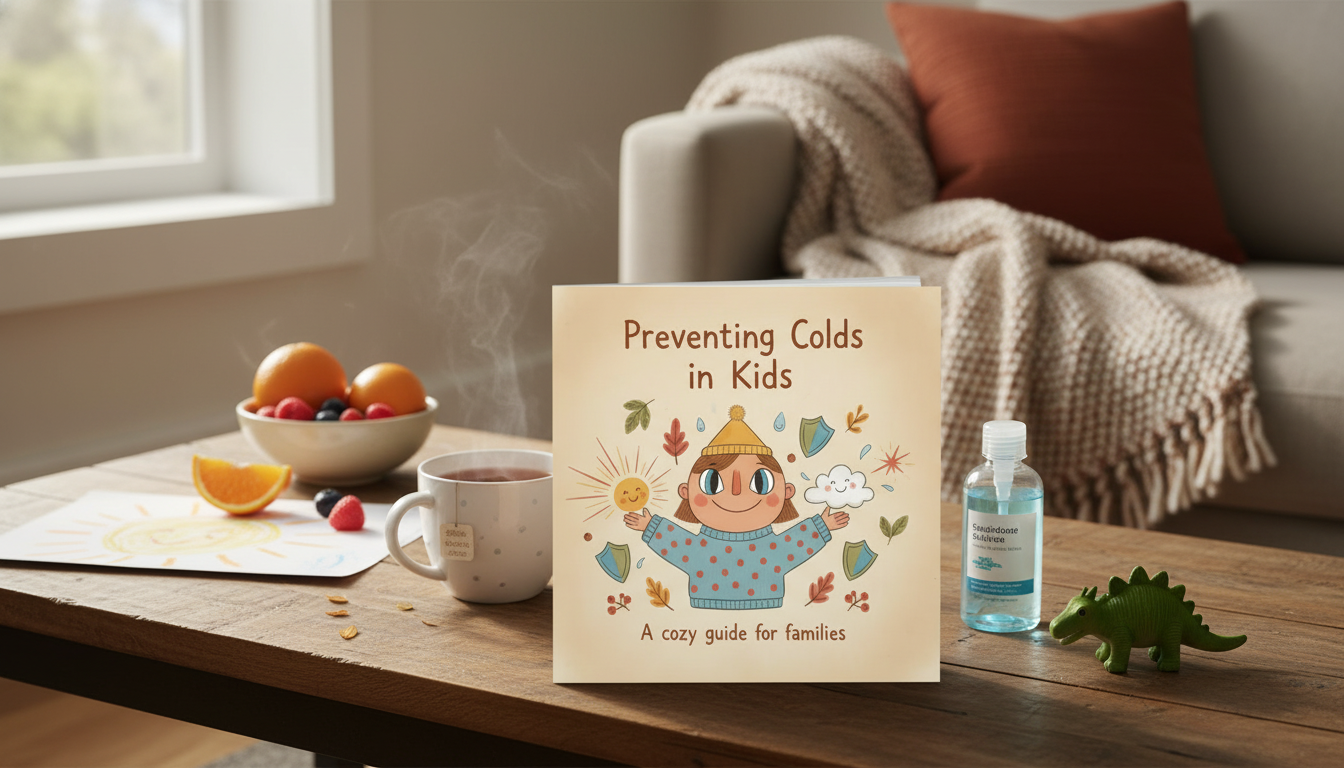
Preventing Colds in Kids: A Practical Family Immunity Plan for Everyday Life
Colds are a normal part of childhood, especially during school and daycare seasons, but frequent sniffles can disrupt sleep, routines, and family plans. The most effective approach is consistent, small habits that reduce germ spread while supporting sleep, nutrition, and stress management. Below is a realistic plan for home, school, and travel—plus a printable-style checklist you can stick on the fridge for easier follow-through.
For medical guidance on cold basics and when to seek care, see trusted references like HealthyChildren.org (American Academy of Pediatrics), the Mayo Clinic, and the CDC.
Why kids catch colds so often (and what prevention can realistically do)
Kids get colds frequently because their immune systems are still learning. Many “first exposures” happen in group settings like daycare, preschool, and elementary school—places where children play closely, share supplies, and are still mastering hygiene.
Most cold viruses spread through respiratory droplets and contaminated hands/surfaces. That’s why prevention isn’t about creating a sterile home; it’s about lowering the odds of germ transfer and giving a child’s body steady support (sleep, food, and calm routines).
Even with great habits, no plan can guarantee zero colds. A realistic goal is fewer infections, milder symptoms, and a faster return to normal routines.
The highest-impact daily habits (the “big four”)
1) Hand hygiene that actually happens
Make handwashing automatic: after bathroom use, before eating, after blowing noses, and right after arriving home. Aim for 20 seconds with soap and water. When sinks aren’t available, use hand sanitizer with at least 60% alcohol (and supervise younger kids).
2) Reduce face-touching without nagging
Face-touching is a major pathway for germs to reach the eyes, nose, and mouth. For younger kids, simple cues work better than lectures: “hands down,” “pretend your hands are glued to your lap,” or “use a tissue, not fingers.” Teach coughing/sneezing into the elbow and keep tissues within easy reach.
3) Protect sleep like it’s part of the health plan
Sleep is one of the most practical “immune supports” because it helps the body regulate inflammation and recover. Keep bed and wake times consistent, and during heavy exposure weeks (class parties, travel, sports tournaments), consider an earlier bedtime rather than squeezing in extras.
4) Food and hydration basics
Regular meals and snacks—especially breakfast—help kids keep energy stable. Focus on protein plus produce most times you eat (for example: eggs and fruit; yogurt with berries; beans with veggies). Hydration supports comfort (and can help with thick mucus), even if it doesn’t “boost” immunity overnight.
Quick daily checklist (printable-friendly)
| Routine | What to do | When |
|---|---|---|
| Hands | Wash on arrival home + before meals; sanitizer when out | Daily |
| Noses | Tissues accessible; teach blow/throw/wash | Daily |
| Sleep | Age-appropriate bedtime; calm wind-down | Most nights |
| Food | Fruit/veg at meals; protein at breakfast | Daily |
| Water | Refillable bottle for school/daycare | Daily |
| Air | Ventilate rooms; outdoor time if possible | Most days |
Home setup that lowers germ spread without turning the house into a lab
Create an “entryway reset”
Choose a simple flow: shoes off (if your household prefers), hands washed first, and backpacks/lunchboxes placed in one spot. This makes it easy to wipe down lunch containers and keeps “school germs” from traveling through the whole house.
Clean high-touch surfaces, not everything
Routine beats intensity. Pick a few high-touch items and keep them on a regular schedule: doorknobs, light switches, faucet handles, remotes, phones, and tablet cases. If someone is actively sick, increase frequency for a few days rather than deep-cleaning the entire home.
Toys and shared items
Rotate and wash toys when visibly soiled or after known exposures. Skip cup/utensil sharing as a house rule—kids can “share toys, not water bottles.”
Ventilation and air quality
When weather allows, open windows briefly to exchange indoor air. If you use HVAC, choose filters that fit your system and replace them on schedule. Fresh air and outdoor time also help reduce close-contact exposure indoors.
School and daycare: scripts, supplies, and smart boundaries
Pack a small hygiene kit
Teach kid-friendly scripts
Coordinate with caregivers
Illness boundaries
Nutrition and supplements: what helps, what to be cautious about
Food-first foundation
Vitamin D
Zinc and vitamin C
When a cold is already in the house: a simple containment plan
Set up a “sick zone”
Reduce sharing (temporarily and calmly)
Comfort care basics
Know when to call a clinician
A printable, ready-to-use routine for families who want consistency
If you want a ready-made resource to keep everyone aligned, consider the Preventing Colds in Kids printable family routine guide, designed to make follow-through easier with a practical family immunity plan.
- Large Capacity Y2K Puppy Pencil Case to stash tissues, sanitizer (if allowed), and spare items in one grab-and-go pouch.
- Benefits of Positivity Bundle: Fuel Your Mind, Build a Positive Mindset & More for families who want simple tools to support calmer routines during high-stress, high-exposure seasons.
FAQ
What is the best way to prevent colds in kids?
The most effective plan is consistent handwashing, fewer face touches, good sleep, and smart “stay home when truly sick” boundaries, supported by balanced meals and routine cleaning of high-touch surfaces. These steps reduce exposure and help kids bounce back faster.
Do vitamins or supplements prevent colds in children?
A nutrient-rich diet supports immune function, and vitamin D may be helpful when appropriate, but supplements aren’t a guarantee. Check age-appropriate dosing and discuss options like vitamin D or zinc with a pediatric clinician rather than using megadoses.
When should a child stay home from school with cold symptoms?
Keep a child home for fever, vomiting/diarrhea, significant fatigue, or symptoms that prevent participation, and follow school policies. Contact a clinician for red flags like trouble breathing, dehydration, ear pain, or symptoms that are unusually severe or prolonged.











Leave a comment