Puppy Wellness Starter Kit: Nails, Ears & Bonding
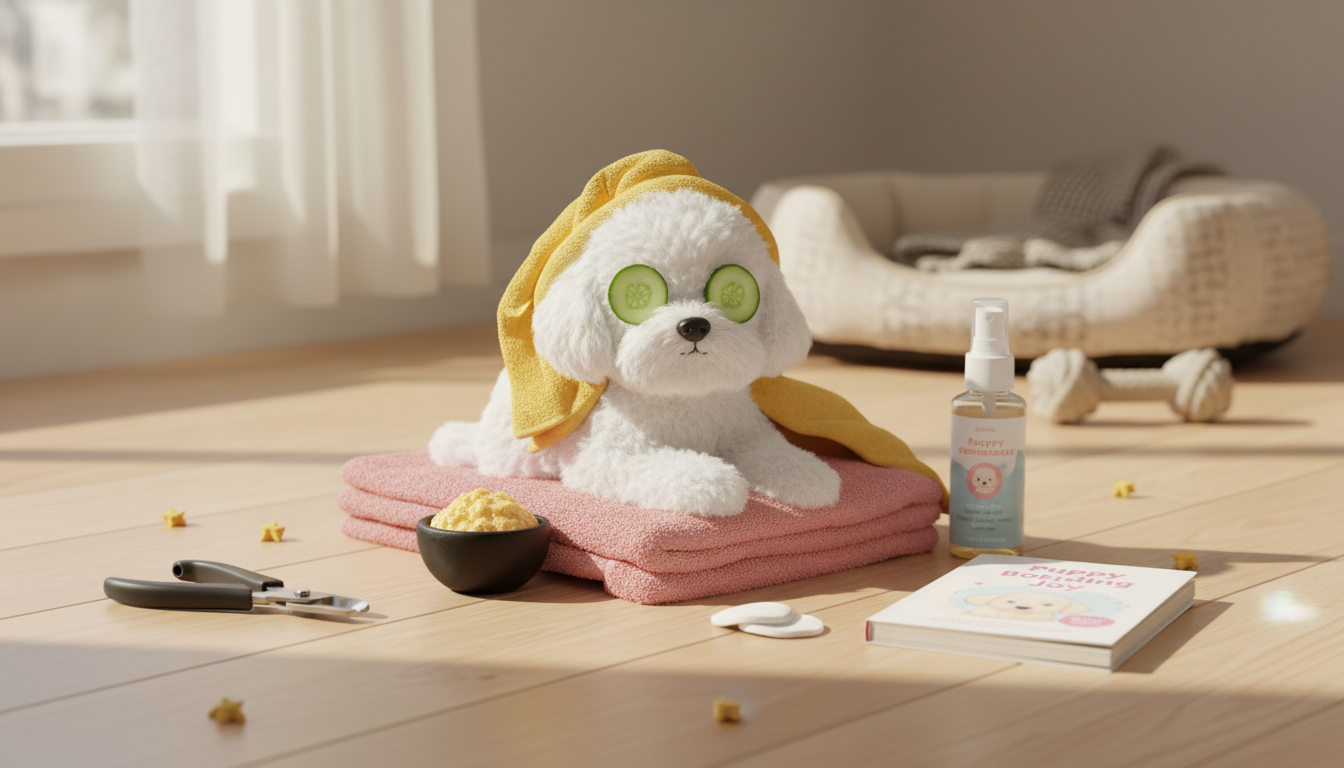
The Puppy Wellness Starter Kit: Nail Trimming, Ear Care, and Bonding Basics for a Confident Start
Early wellness routines shape a puppy’s comfort with handling for life. The Puppy Wellness Starter Kit brings together a clear nail trimming guide, a simple ear care checklist, and a puppy bonding eBook so care can feel predictable, gentle, and doable at home. The goal isn’t perfection—it’s building calm, repeatable habits during the first months when puppies are learning what “normal” care feels like.
What’s Inside the Puppy Wellness Starter Kit
This kit is built for real-life puppy attention spans and busy households. Each piece focuses on short, successful sessions that help your puppy learn cooperation without turning care into a wrestling match.
- Dog nail trimming guide: step-by-step handling, clipping technique, and stress-reduction routines tailored to puppies.
- Pet ear care checklist: a practical sequence for inspection, cleaning basics, and tracking what’s normal vs. concerning.
- Puppy bonding eBook: daily connection exercises that support trust, cooperative care, and gentle restraint skills.
- Designed for short sessions: routines that fit into 2–10 minutes so you can stop while your puppy is still winning.
- Meant to complement veterinary guidance: especially for puppies with prior ear issues, injuries, or higher anxiety.
Quick Start: When to Use Each Part of the Kit
| Situation | Use This | Goal | Time Needed |
|---|---|---|---|
| Puppy resists paw handling | Bonding eBook exercises + nail guide handling steps | Build comfort with touch and restraint | 2–5 min |
| Nails click on the floor | Nail trimming guide | Shorten nails safely and prevent snagging | 5–10 min |
| Mild ear odor or visible debris (no pain) | Ear care checklist | Clean and monitor for changes | 3–7 min |
| After bath or swimming | Ear care checklist | Dry and reduce moisture-related irritation risk | 2–5 min |
| Before grooming appointments | Bonding eBook routines | Create calm pre-grooming cooperation | 5 min |
Before You Start: Set Up a Calm Care Routine
Puppies learn fastest when the environment is consistent and the “rules” never surprise them. Set up a tiny routine you can repeat the same way every time.
- Choose a low-distraction spot: a non-slip surface, good lighting, treats, and tools within reach.
- Keep sessions short: stop while the puppy is still successful; several micro-sessions beat one long struggle.
- Pair handling with rewards: treats, gentle praise, and a consistent release cue (“all done”).
- Watch body language: lip licking, head turning, stiffening, tucked tail, or repeated paw pulling means it’s too intense.
- Know when to pause and call the vet: ear pain, head shaking, foul odor, swelling, discharge, or bleeding from trimming attempts.
Nail Trimming: A Puppy-Friendly Path to Stress-Free Clipping
Nail care is easiest when it becomes “no big deal.” Instead of aiming to clip everything at once, build a predictable pattern your puppy can recognize.
- Start with desensitization: touch a paw briefly, reward, release—then slowly increase duration before adding clippers or a grinder.
- Use a predictable sequence: show tool → touch paw → treat → clip one nail → treat → stop. Add more nails over time.
- Trim small amounts: take tiny slivers to reduce the chance of hitting the quick (especially with dark nails).
- Support the paw: hold gently but firmly to prevent twisting; avoid pulling the leg outward at awkward angles.
- If a nail bleeds: apply styptic powder (or cornstarch), keep gentle pressure, and end the session calmly.
- Frequency guidance: many puppies do well with weekly touch-ups while growing; adjust based on growth rate and surface wear.
- Make it cooperative: teach a “paw” cue and a comfortable “rest” position so the puppy offers the foot instead of being forced.
For additional technique tips and safety reminders, the American Kennel Club’s nail trimming guidance is a helpful reference alongside your veterinarian’s advice.
Ear Care: Simple Checklist for Healthy, Comfortable Ears
Healthy ears usually don’t need aggressive cleaning. The most helpful habit is a quick, regular check so you can spot changes early and keep handling stress low.
If you’re unsure whether what you’re seeing is normal, review common signs of ear trouble and when to seek care via VCA Animal Hospitals’ overview of otitis externa.
Bonding That Improves Handling: Daily Exercises That Pay Off
Consistent, positive exposure to handling supports broader early-life learning. The AVMA’s puppy socialization guidance reinforces why calm, gradual experiences matter.
Common Mistakes to Avoid (and What to Do Instead)
Who This Kit Helps Most
Recommended Tools & Downloads
- The Puppy Wellness Starter Kit – Dog Nail Trimming Guide, Pet Ear Care Checklist & Puppy Bonding eBook
- Benefits of Positivity Bundle: Fuel Your Mind, Build a Positive Mindset & More (useful for staying consistent and calm during training and care routines)
FAQ
How often should a puppy’s nails be trimmed?
Many puppies do best with weekly touch-ups, especially during fast growth phases. If you hear nails clicking on hard floors or see snagging, it’s time to trim sooner. The ideal schedule varies by breed, activity level, and how much natural wear your puppy gets on walks and play surfaces.
Is it safe to clean a puppy’s ears at home?
Gentle cleaning can be safe when the ears look healthy and your vet has recommended a suitable cleaner. Avoid inserting cotton swabs deep into the ear canal. If there’s pain, swelling, strong odor, or discharge, skip cleaning and contact your veterinarian.
What if my puppy fights nail trims and ear checks?
Use short desensitization sessions, consent-based handling, and high-value treats, stopping before your puppy escalates into panic. Aim for one small win (like touching a paw) rather than “finishing the job.” If resistance is intense or there’s any sign of pain, ask a groomer or veterinary team for hands-on help.










Leave a comment