Preschool Readiness for Toddlers: Checklist + Practice Plan
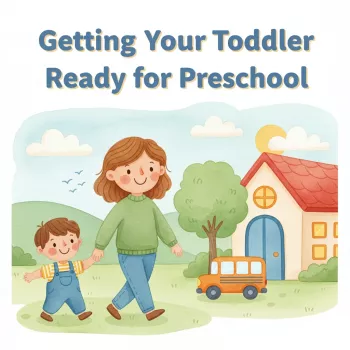
Getting Your Toddler Ready for Preschool: A Parent Checklist and Simple Practice Plan
Preschool readiness is less about “perfect skills” and more about steady routines, confidence with caregivers, and a few key self-help and social habits. Use the checklist below to spot what’s already going well, choose a handful of next steps, and create an easy week-by-week practice plan that reduces drop-off stress and helps school feel familiar.
What “ready for preschool” usually means
Most preschools are looking for a child who can participate in group routines with support—not a child who never struggles. Common signs of readiness include:
- Comfort separating from a parent or primary caregiver for a short period
- Ability to follow 1–2 step directions (e.g., “hang your coat, then wash hands”)
- Basic self-help: washing hands, attempting toileting steps, eating snacks with minimal help
- Early social skills: taking turns, using simple words to ask for help, coping with small disappointments
- Stamina for group routines: sitting for circle time briefly, transitioning between activities
Development is uneven at this age. A toddler can be talkative at home and quiet at school, or confident on the playground and clingy at drop-off. Consistency and practice (not pressure) tend to help the most.
A simple timeline to start (without overloading your toddler)
Instead of trying to “teach everything,” pick a few tiny routines to repeat daily so they feel automatic by the first week.
- 4–6 weeks out: set consistent wake/sleep times; begin short separations with trusted adults
- 2–3 weeks out: practice a “school morning” routine; introduce school-like transitions and cleanup
- 1 week out: do a backpack run-through; rehearse drop-off and pickup scripts; confirm paperwork
- First 2 weeks: keep evenings calm; expect fatigue; focus on connection and predictable routines
If you want an easy way to track what you’re practicing (and what’s already working), the Getting Your Toddler Ready for Preschool printable checklist (digital download) can be kept on the fridge so everyone stays consistent.
Daily skills to practice at home (little and often)
Two to five minutes at the same time each day beats a long “practice session.” Tie skills to routines you already do.
Self-help basics
- Independent dressing practice: pull pants up/down, simple shoes, attempting coat on/off
- Hand hygiene: wet, soap, scrub 20 seconds, rinse, dry; practice before snacks and after toilet
- Snack and lunch habits: open simple containers, drink from cup, sit to eat, wipe hands/face
Listening and transitions
- Use a timer, countdowns, and a consistent “first/then” phrase (“First clean up, then bubbles.”)
- Practice “pause and look” before leaving an activity, then walking together to the next spot
Name and belongings
- Recognize name on labels; practice putting items in a designated spot
- Do a simple “arrival routine” at home: shoes here, jacket there, water bottle in the same place
For families who like a dedicated “school stuff” container, a small pouch can help keep label tape, a marker, and spare hair ties in one place. The Large Capacity Y2K Puppy Pencil Case works well as a grab-and-go organizer for those little essentials.
Emotional language
For additional age-based guidance on social-emotional development, helpful references include the CDC’s Positive Parenting Tips and the American Academy of Pediatrics (HealthyChildren.org) preschool resources.
Social readiness: helpful habits (not perfect behavior)
A useful lens is “developmentally appropriate practice”—skills are learned through repetition, play, and warm adult support. The NAEYC position statement on Developmentally Appropriate Practice explains why steady expectations and responsive caregiving matter more than strict performance.
Toileting and bathroom routines (aligned with your child’s stage)
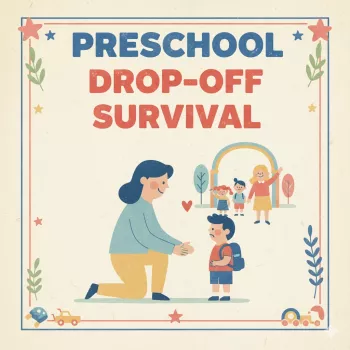
Separation and drop-off: scripts that keep goodbyes short and steady
If you’re feeling anxious too, a quick reset can help you stay steady at the door: one slow breath, repeat your script, then go. Some parents like a reminder page they can read the night before; the Benefits of Positivity Bundle can be a supportive option for building a calmer mindset during big transitions.
A parent-ready checklist (print and post on the fridge)
| Area | Ready now | Practicing | Next small step |
|---|---|---|---|
| Separation | Calms within 5–10 minutes with a trusted adult | Needs longer time to settle | Practice a 2-minute goodbye routine daily |
| Self-help | Attempts coat/shoes and manages snack basics | Needs frequent assistance | Set up a “getting ready” station and practice one item at a time |
| Toileting | Communicates needs and follows most steps | In training or needs reminders | Use scheduled bathroom times and a simple help phrase |
| Following directions | Can do 1–2 step instructions | Gets distracted mid-task | Use “first/then” and a short timer for transitions |
| Social skills | Takes turns and uses words to ask for help | Hits/grabs when frustrated | Teach 2 replacement phrases and model gentle hands |
For an easy print-and-go version, the Printable preschool readiness checklist (digital download) can be used to circle what’s “ready now,” mark what you’re practicing, and keep next steps simple.
What to do if preschool feels rough at first
FAQ
What skills should a toddler have before starting preschool?
Focus on routines and independence basics: separating with support, following simple directions, handwashing, snack routines, and using words (or signals) to ask for help. Preschool is designed for learning, so “mostly able” is typically enough.
How can a parent make drop-off easier?
Use a short, consistent goodbye routine and a confident script, then hand off to the teacher and leave. Practicing brief separations ahead of time and avoiding long negotiations usually helps more than trying to talk tears away.
Should a child be fully potty trained for preschool?
It depends on the school’s policy, so check expectations early. Pack extras, practice the toileting sequence, and use scheduled bathroom times to build predictability without pressure.








Leave a comment