Keep Baby Warm Without Blankets: TOG & Checklist
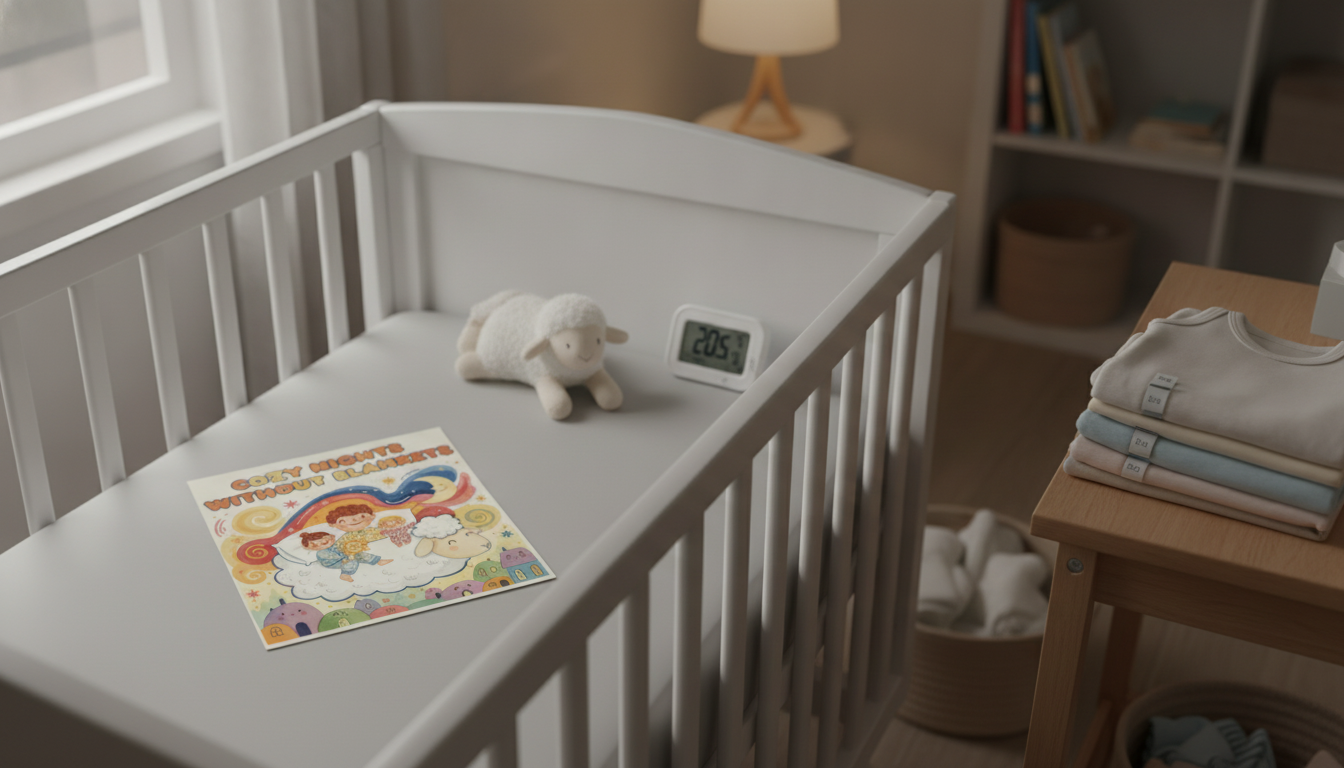
Cozy Nights Without Blankets: A Practical Baby Sleep Checklist and TOG Warmth Guide
Keeping a baby warm at night without using loose blankets can feel tricky at first. A simple routine—room temperature, the right sleepwear layers, and a quick safety check—can make bedtime both cozy and safer. The sections below break down how to choose layers using TOG, what to check before sleep, and how to adjust for seasons and common situations.
Why blankets are avoided in the crib
Loose blankets and other soft items can shift during sleep and cover a baby’s face or interfere with breathing. Instead of adding bedding, warmth can be built into what baby wears—like a fitted sleeper and a properly fitted sleep sack—so the sleep surface stays clear and consistent.
A simpler sleep setup also makes it easier for caregivers to “scan and go”: firm, flat mattress; a fitted sheet; and no extra items such as pillows, quilts, bumpers, or stuffed toys. Many safe sleep recommendations emphasize a clear sleep space, including guidance from the American Academy of Pediatrics and the NHS.
Warmth is best controlled with room temperature plus clothing layers—rather than placing items into the crib that can move around overnight.
Quick pre-sleep safety checklist (2 minutes)
Use this short “same every night” routine before turning out the lights:
- Sleep space: firm mattress, fitted sheet only, no loose items in the crib/bassinet.
- Baby position: always place baby on the back for sleep.
- Clothing check: breathable base layer; sleep sack/wearable blanket if needed; avoid hoods or neck ties.
- Temperature check: aim for a comfortably cool room; adjust layers before adding heat sources.
- Overheating check: baby’s chest/back should feel warm, not sweaty; hands and feet can be cool without being a problem.
- Fit check: sleep sack neckline and armholes should fit securely so fabric cannot ride up over the face.
If a quick visual reminder helps during night wakings, the Cozy Nights Without Blankets printable baby sleep checklist and TOG guide is designed to keep the steps consistent for every caregiver.
Understanding TOG: choosing warmth by room temperature
TOG is a warmth rating commonly used for sleep sacks and wearable blankets. In general, higher TOG means more insulation. TOG works best when it’s paired with a real room-temperature reading—ideally measured near where baby sleeps, not just a hallway thermostat.
Use the room temperature as the starting point, then choose a TOG and base layer that match the season and your baby’s comfort. If you’re stuck between two options, start lighter and monitor for overheating. It’s usually safer to adjust with a different base layer or a different TOG sleep sack than to add loose blankets.
Room temperature, TOG, and simple layer ideas
| Room temperature (°F / °C) | Suggested TOG range | Example base layer | Notes |
|---|---|---|---|
| 75–78°F / 24–26°C | 0.2–0.5 | Short-sleeve bodysuit | Choose breathable fabrics; watch for sweating |
| 72–74°F / 22–23°C | 0.5–1.0 | Short- or long-sleeve bodysuit | Adjust sleeves before increasing TOG |
| 68–71°F / 20–22°C | 1.0–2.5 | Long-sleeve bodysuit or light pajamas | Common comfort range for many homes |
| 64–67°F / 18–19°C | 2.5–3.5 | Footed pajamas | Consider warming the room rather than piling on layers |
Always check the specific brand’s guidance, since materials and fit can change how warm a given TOG feels.
How to tell if baby is too warm or too cold
The most useful “thermometer” is baby’s core. Feel the chest or upper back: warm and dry is ideal. Hot or sweaty skin suggests baby is overdressed or the room is too warm.
- Hands and feet: often feel cooler than the torso and may not indicate a problem.
- Signs baby may be too warm: sweating, damp hair, flushed skin, heat rash, rapid breathing, unusual fussiness.
- Signs baby may be chilly: cool chest/back, waking frequently with discomfort, mottled-looking skin (consider overall room temp and clothing).
When you make changes, change one variable at a time—either the base layer or the TOG—so it’s easier to learn what actually helped.
Layering without blankets: practical combinations that stay in place
Blanket-free warmth is all about layers that fit correctly and won’t shift up over the face.
For caregivers running on low sleep, having a calm, consistent bedtime flow can make the whole evening feel more manageable. Some families also like a quick mindset reset earlier in the day, such as the Benefits of Positivity Bundle, to support steady routines during the tougher weeks.
Season-by-season adjustments (without overcomplicating bedtime)
If you’d like additional safe-sleep references beyond U.S. guidance, Red Nose (Australia) also provides clear, practical safe sleeping information.
Printable routine: make the bedtime check consistent
If you want a ready-to-print version, the Cozy Nights Without Blankets | Printable Baby Sleep Checklist | Safe Sleep TOG Guide for Parents is built for a quick glance and easy handoff between caregivers.
When to ask a pediatrician
FAQ
How can a baby stay warm at night without blankets?
Use a properly fitted sleep sack (wearable blanket) with an appropriate TOG, paired with a fitted, breathable base layer. Keep the sleep space clear of loose bedding, and check baby’s chest/back to confirm they’re warm and dry.
What TOG should be used for a baby sleep sack?
Choose TOG based on the room temperature and what baby wears underneath, then fine-tune if baby seems too warm or too cool. Since warmth can vary by brand and fabric, follow the product’s guidance and watch for signs of overheating.
How can overheating be prevented during sleep?
Keep the room comfortably cool, dress baby in light layers, and avoid hats and loose bedding in the crib. Check for sweating or flushed skin, and adjust one layer at a time rather than making multiple changes at once.











Leave a comment