Penguin Silicone Training Cup: BPA-Free, Leak-Resistant
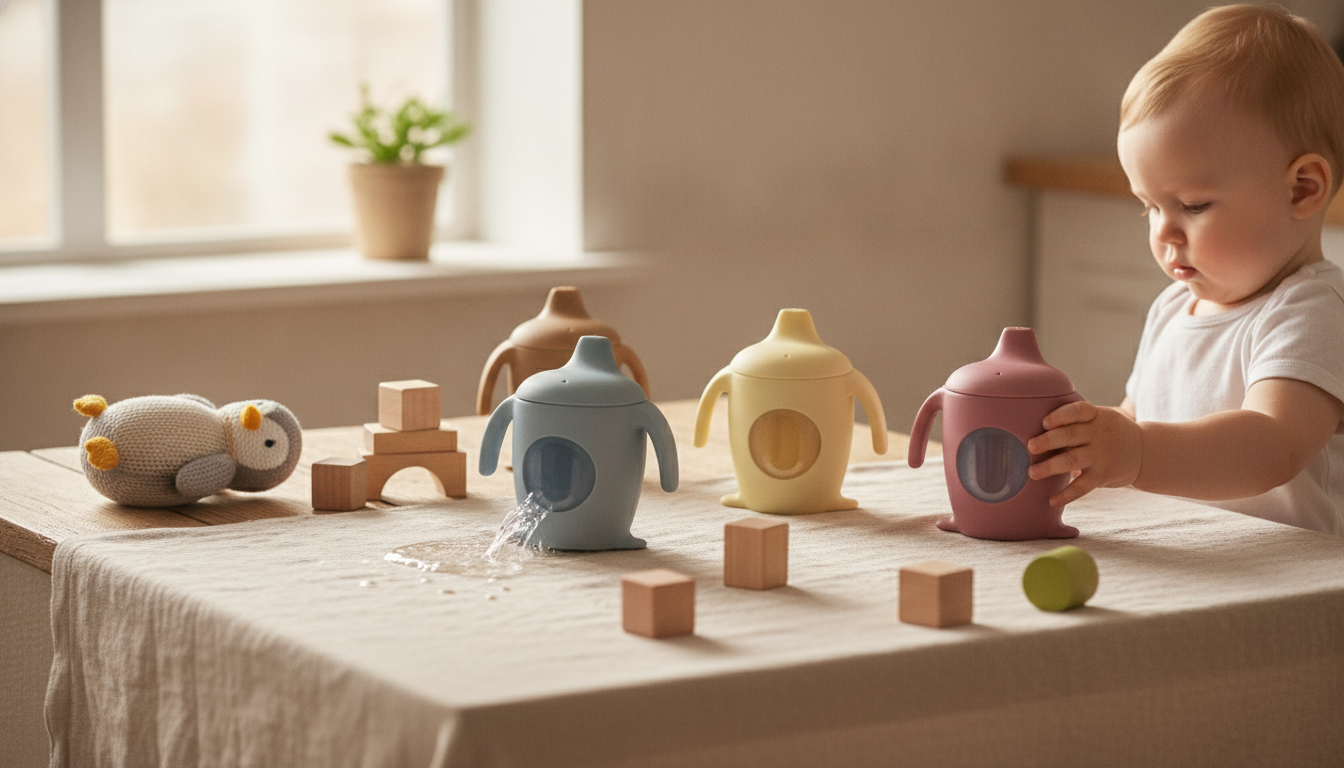
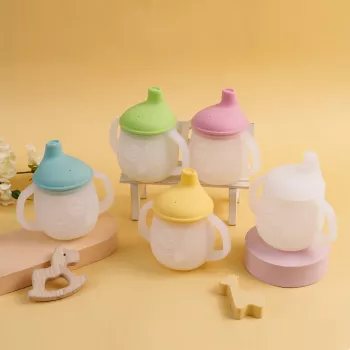
Penguin-Shaped Silicone Baby Training Cup – BPA Free, Leakproof, Soft Toddler Bottle
A soft, easy-to-grip training cup can make the move from bottle to independent sipping smoother. The Penguin-Shaped Silicone Baby Training Cup – BPA Free, Leakproof, Soft Toddler Bottle is designed with small hands in mind, built to handle everyday drops, and made to help keep messes more manageable on the go—while using BPA-free materials many families prefer for feeding essentials. For more guidance, see Philips Avent Toddler Cups| My Penguin Sippy Cup Winter Exclusive.
What makes this penguin training cup different
- Soft silicone body designed to feel gentle on gums and small mouths during early sipping practice
- Penguin shape encourages toddler interest and makes the cup easier to spot in a bag or on the floor
- Leak-resistant design helps reduce drips during travel, stroller rides, and learning moments
- Lightweight, compact option that works well as a first “big kid” cup for water or milk (as appropriate for age)
Quick facts at a glance
- Best for: early training and practicing independent drinking skills
- Material focus: BPA-free silicone
- Everyday use: home, daycare, travel, and short outings
| Feature | Why it matters for toddlers |
|---|---|
| Soft silicone | More forgiving during bumps, drops, and learning to sip |
| Leak-resistant build | Helps limit spills in car seats, bags, and high chairs |
| Easy-to-hold shape | Supports grip development and self-feeding routines |
| Cute penguin design | Can increase willingness to try a new cup |
Comfort and grip for small hands
Toddlers learn best when the tool fits their stage. A rounded silicone body is often easier to grasp than a hard, slippery bottle, especially when little hands are still figuring out wrist rotation, tipping, and keeping a steady hold. The soft-touch feel can also reduce frustration during practice—if the cup bumps a tooth or lip, it tends to be more forgiving than rigid materials.
The penguin character shape adds a playful cue that many toddlers respond to: it’s easier to recognize, easier to “claim” as theirs, and can turn drink breaks into a routine they accept faster. That matters when you’re working through multiple independence milestones at once—holding a cup, using utensils, trying finger foods, and learning to sit for meals.
Leak-resistant sipping for everyday routines
Mess control is a big deal during the learning phase. A leak-resistant design is meant to reduce accidental spills while toddlers carry, tip, and explore. It’s especially practical for quick transitions—moving from the kitchen to the living room, buckling into a car seat, or handing a drink over during stroller rides.
For best results, keep a few habits consistent: make sure all parts are seated properly, avoid overfilling (liquid can press toward openings when the cup is squeezed or inverted), and do a quick check before tossing it into a diaper bag. Even with spill-reducing features, a careful setup helps keep mealtimes calmer while your child is still mastering control.
Safety and materials parents usually look for
Many caregivers look for BPA-free materials in food-contact items as part of an overall approach to reducing certain chemical exposures. For a deeper reference on BPA in food-contact applications, the U.S. Food & Drug Administration provides background and updates here: Bisphenol A (BPA): Use in Food Contact Application.
Silicone is commonly used in feeding products because it’s flexible, typically durable, and comfortable for little mouths. Like any toddler cup, it should be inspected regularly: replace the cup if you notice cracks, tears, thinning areas, or any parts that no longer fit snugly. Always use under adult supervision and follow age-appropriate feeding guidance. For broader feeding and nutrition information by age, the CDC’s resource hub can be helpful: Infant and Toddler Nutrition.
Cleaning and care basics
A training cup works best when it’s cleaned thoroughly and consistently—especially if used for milk or formula. Wash before first use and after each use with warm water and mild dish soap, then rinse well to reduce soap residue and allow it to fully air-dry between uses.
When this cup is a good fit (and when to choose something else)
Related picks in stock
- Penguin-Shaped Silicone Baby Training Cup – BPA Free, Leakproof, Soft Toddler Bottle (everyday training and travel-friendly sipping)
- Large Capacity Y2K Puppy Pencil Case (a handy way to keep small essentials organized at home or in a bag)
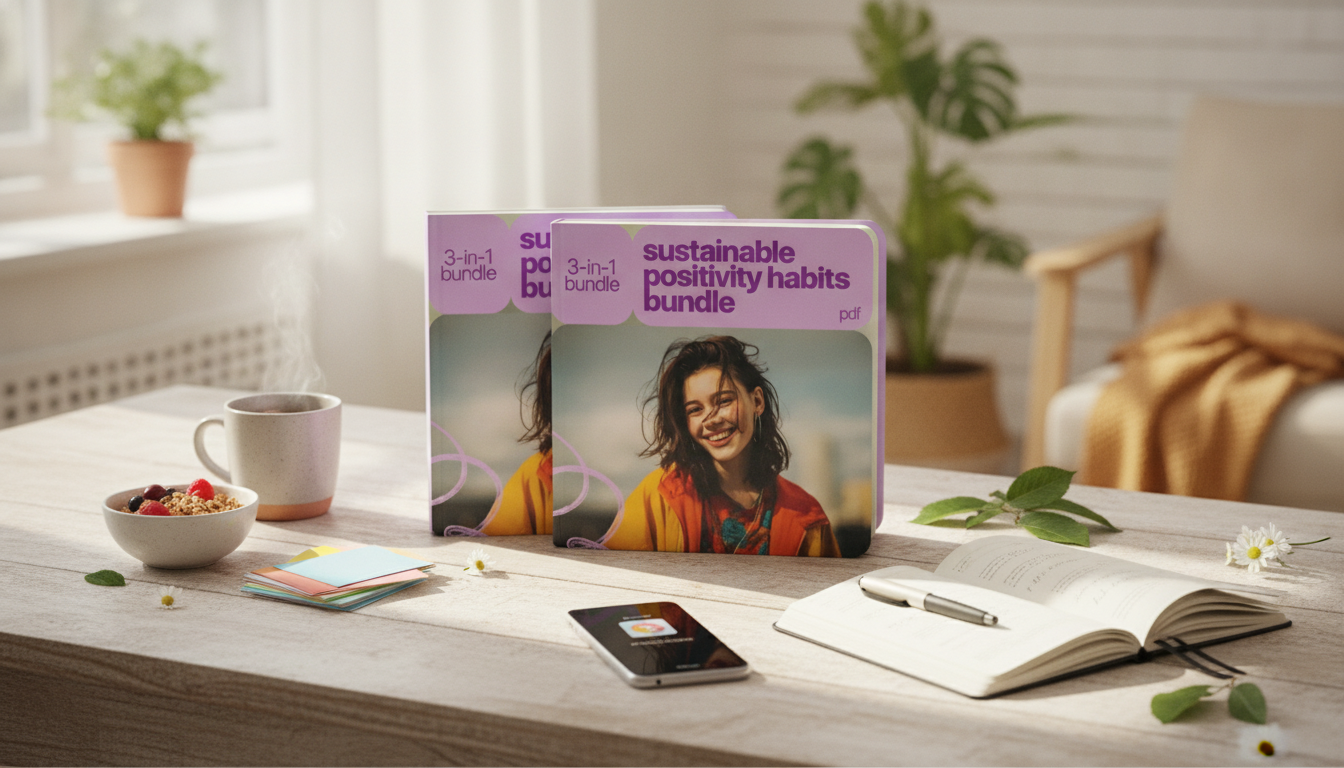
- Benefits of Positivity Bundle: Fuel Your Mind, Build a Positive Mindset & More (a digital bundle for caregivers building supportive routines)
FAQ
Is a silicone training cup safe for toddlers?
Many families choose BPA-free silicone cups for everyday use, but safety still depends on proper supervision, regular inspection for wear or tears, and careful cleaning—especially after milk or formula. Always follow age-appropriate guidance and replace the cup if any parts become damaged or loose.
How do you clean a leak-resistant toddler cup properly?
Wash after each use with warm water and mild dish soap, then rinse thoroughly and let it air-dry completely. If the cup has multiple parts, disassemble them (when possible) and clean small openings and seams where residue can build up.
When should a toddler switch from a bottle to a training cup?
Timelines vary, but many pediatric resources encourage a gradual transition in the toddler stage as skills develop. For a plan tailored to your child’s needs (especially if there are feeding concerns), it’s best to check in with a pediatrician and practice consistently with small, manageable steps.









Leave a comment