Preschool Drop-Off Checklist: Calm Mornings & Easy Goodbyes
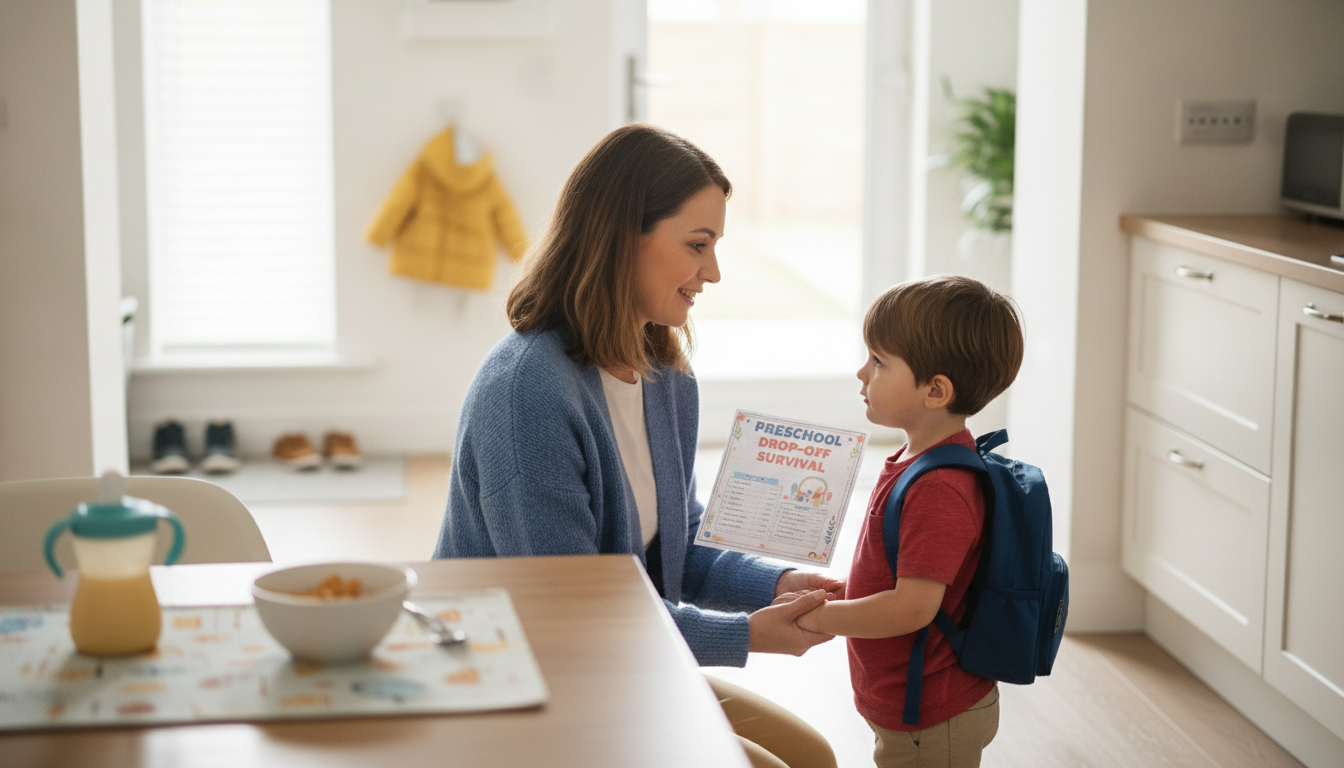
Preschool Drop-Off Survival Checklist: A Calm Morning Routine and Smooth Goodbyes
Preschool drop-off can feel big for both kids and parents—especially during the first two weeks. A predictable morning routine, a simple goodbye script, and a short, repeatable checklist reduce last-minute rushing and help children transition with more confidence. Below are practical, parent-tested steps for what to prep the night before, what to do in the morning, and how to handle tears, clinging, or sudden refusals—plus an easy printable checklist option to keep everything consistent. For more guidance, see [PDF] Family Routine Guide – National Center for Pyramid Model Innovations.
What makes drop-off hard (and what actually helps)
Many preschoolers struggle at drop-off for reasons that make perfect sense: separation anxiety, new rules and expectations, sensory overload (busy hallways, noise, lots of bodies), and uncertainty about what happens after you leave. Even kids who like school can get overwhelmed by the transition itself. For further reading, see Preschoolers & Routines – Parenting and Family Relationships.
What helps most is boring consistency: predictable steps, short goodbyes, a clear handoff to a teacher, and a simple return promise your child can picture (“After school, then snack”). For a helpful overview of typical separation anxiety patterns, see the American Academy of Pediatrics guidance on separation anxiety.
Kids also read parent cues fast. A calm “body language plan” matters: slow breathing, a steady voice, and confident posture. Expect a warm-up period; adjustment often comes in waves, not a straight line.
Night-before prep: set up a smoother morning in 10 minutes
A calm morning usually starts the night before. The goal isn’t perfection—it’s removing the usual friction points that trigger power struggles and rushing.
- Create a “launch pad” by the door: backpack, shoes, jacket, water bottle, and a comfort item (if allowed).
- Pick clothes with your child (two choices): “Red shirt or blue shirt?” Two options feel empowering without opening negotiations.
- Pack essentials: spare clothes, labeled items, diapers/pull-ups if needed, and any forms or notes.
- Plan breakfast and time buffers: choose a simple breakfast and set a realistic wake time with a 10–15 minute cushion.
- Preview the plan in one sentence: “Tomorrow: wake up, breakfast, get dressed, drive, hug, high-five, teacher handoff.”
If you want something you can print and reuse, the Preschool Drop-Off Survival Checklist | Morning Routine Guide (Printable Digital Download) is designed to keep the steps short, visual, and repeatable.
A repeatable morning routine (keep it short and visual)
Use the same 5–7 steps every day. Fewer steps mean fewer negotiations, and your child starts “running the script” without as many reminders.
- Add one connection minute before leaving: a 60-second cuddle, a short song, or a two-page book can fill your child’s attention cup before separation.
- Use a timer or music cue: one song for teeth/hair, one song for shoes/door. Predictable cues reduce arguing.
- Keep choices limited: offer two options (“strawberries or banana?”) and avoid open-ended questions during transitions.
- If stalling starts: calmly narrate the next step and move forward without lengthy debates.
Sample 20–35 Minute Morning Routine (adjust to your household)
| Step | Time | What to say | Helpful cue |
|---|---|---|---|
| Wake + bathroom | 5 min | “Good morning. Bathroom first, then breakfast.” | Gentle light or soft music |
| Breakfast | 10 min | “We eat, then we get dressed.” | Same seat/plate |
| Get dressed | 5–8 min | “Shirt, pants, socks. You choose blue or green.” | Clothes laid out |
| Teeth + hair + face | 5 min | “When the timer beeps, we’re done.” | 2-minute timer |
| Shoes + backpack + door | 3–5 min | “Shoes on. Backpack on. Then car.” | Launch pad by door |
| Car + arrival | Varies | “At school: hug, high-five, teacher.” | Same parking/walk path |
Drop-off plan: a short goodbye script that builds trust
Positive, consistent parenting routines support smoother transitions over time; the CDC’s positive parenting tips for preschoolers include helpful reminders about staying calm, clear, and consistent.
If there are tears, clinging, or refusal at the door
What to pack and label (without overpacking)
For small take-along items (like a note, sticker sheet, or “brave token”), a dedicated pouch can help keep everything in one place. The Large Capacity Y2K Puppy Pencil Case works well as a simple organizer for little school extras (or for parents to stash labels, a marker, and spare hair ties).
The first two weeks: a simple adjustment strategy
If your own anxiety spikes at drop-off, a quick mindset reset routine can help you stay steady (and kids notice). The Benefits of Positivity Bundle: Fuel Your Mind, Build a Positive Mindset & More can be used as a short daily read to support calmer, more consistent mornings.
Printable checklist: make consistency easy on busy mornings
For an easy start, use the Preschool Drop-Off Survival Checklist | Morning Routine Guide | Printable Digital Download for Parents | Smooth School Transition Tips and stick with the same steps for at least a full week before changing anything.
FAQ
How long does it take for preschool drop-off to get easier?
Many children improve within 1–3 weeks when the routine stays consistent, sleep is protected, and goodbyes are short. Some kids still have occasional tough days after they’ve “been doing fine,” especially after weekends or schedule changes.
Should a parent stay until the child stops crying?
Usually no—lingering often makes crying last longer because the separation keeps getting “almost” but not finished. A brief, confident handoff to a teacher with a consistent goodbye script tends to help children settle faster.
What if my child refuses to get out of the car or walk into the building?
Stay calm, offer two simple choices (“Do you want to hop like a bunny or hold my hand?”), and follow through without bargaining. If refusal continues, coordinate a teacher-assisted handoff plan so staff can meet you at a consistent spot and guide your child into the routine.









Leave a comment